
Development Project Case Studies
Development Project Case Studies
The International Biathlon Union (IBU) supports the growth and development of biathlon through three main areas: Participation, Performance, and Development. Financial assistance is provided based on athlete participation in major events, team performance across various cups, and specific development projects. These projects aim to increase youth participation, promote gender equality, enhance training venues, support biathlon experts, and foster national federation partnerships. Additionally, there's a focus on sustainable business practices and creating opportunities for athletes after their sports careers. This comprehensive support structure is designed to strengthen the sport globally, ensuring its sustainability and accessibility.
Customised Development Projects
Liatoppen Biathlon Festival: Cultivating Future Champions through International Collaboration


As part of the IBU Development Project, young biathletes from eight nations—Estonia, Finland, Lithuania, Poland, Switzerland, Czech Republic, Kazakhstan, and Canada—came together for an unforgettable international camp experience at the renowned Liatoppen Biathlon Festival 2025, the world's largest biathlon event with over 1,100 participants in the age groups up to 16. The camp combined world-class competition with learning and cultural exchange. Highlights included a dryfire session led by biathlon legend Dag Bjørndalen, and a motivational talk by the Norwegian organization MOT (Show Courage), encouraging personal growth and confidence. Coaches also took part in an educational session introducing the Norwegian model for athlete development and club organization. The camp created lasting memories, new friendships across borders, and strengthened the passion for biathlon among all who attended.
The project is led by Norwegian Biathlon Federation and supported from IBU Development Programme Support as Customised Development Projects.
Identification and training of Youth and Junior Athletes
Australian Biathlon Strengthens Athlete Development Through International Camps


During the Australian winter, junior and development athletes gathered at Mt Hotham in July 2024 for an intensive training camp led by Polish coach Aga Cyl. At the same time, an introductory biathlon camp was held in Perisher under coach Julia Smusz, focusing on athletes new to the sport and using laser rifles and targets to build fundamental skills.
The youth and junior development project delivered strong outcomes across its key objectives. Athletes achieved personal best performances at international competitions, while measurable improvements were recorded in both skiing and shooting performance. Australia was also able to field full male and female teams at several major IBU events, including the IBU Junior Cup, OECH, and YJWCH, with relay teams competing across these competitions as well as at the World Championships.
Importantly, the initiative also supported athlete progression, with several competitors moving from junior-level events to higher-level competitions such as the IBU Cup and World Championships during the season. Overall, the camps successfully delivered improved training quality, stronger international results, and continued development of both athletes and coaches within the Australian biathlon pathway.
Building the Next Generation of Youth and Junior Biathletes in Hungary


Hungary successfully implemented a structured training plan for our Youth and Junior athletes in summer 2024, focused on improving physical condition, ensuring consistent training, and strengthening collaboration among coaches.
Multiple training camps were organized in locations ideal for complex biathlon training, providing athletes with opportunities to improve shooting, skiing, and overall performance.
The autumn ski tunnel camp focused on cross-country skiing and preparation for the winter season, while the regular camps emphasized both athlete and coach development. Coaches gained valuable experience through active involvement in organizing and implementing the camps, improving their skills in planning, teamwork, and training execution.
For athletes, the camps were an opportunity to learn new techniques and apply their knowledge at home, sharing what they learned with their club teammates. Overall, the camps helped build a cohesive team environment where athletes and coaches support each other both during training and throughout the season.
Futur Fisi: Elevating Italian Biathlon's Next Generation

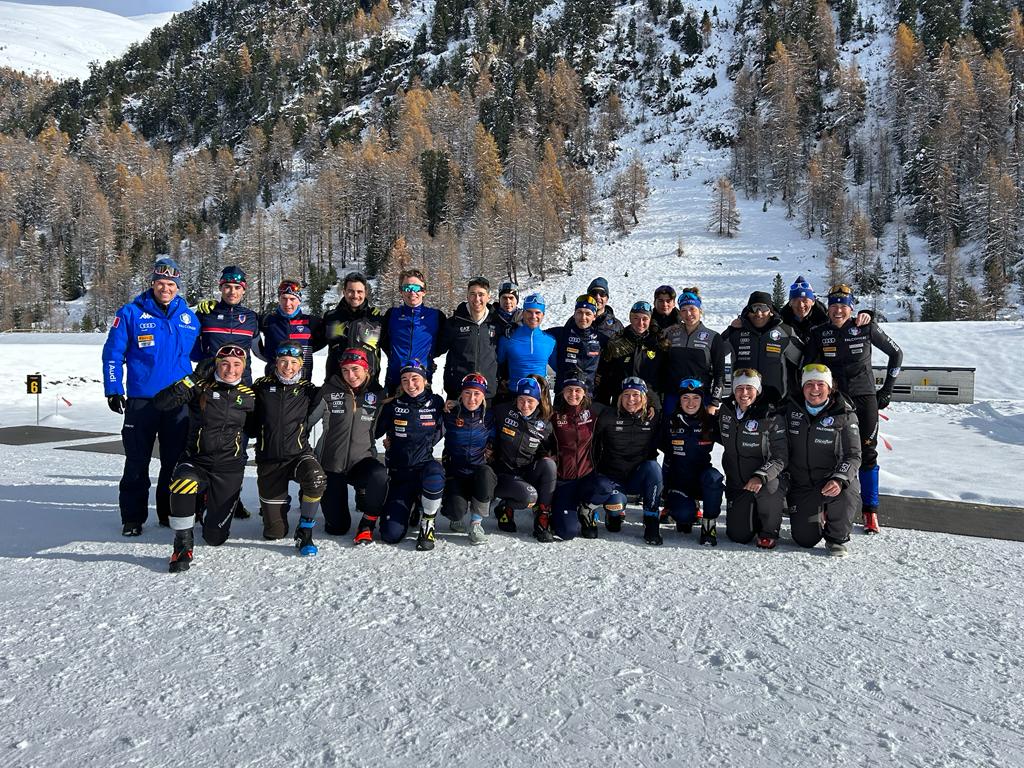
The "Futur Fisi" project, running from July to November 2023, marked a pivotal development in Italian biathlon, aiming to enhance the connection between regional talents and the national team. This initiative focused on nurturing young athletes (born 2004-2007) and integrating them into the competitive biathlon scene through three intensive training sessions over 26 days. Adjustments to include younger, dynamic coaches enriched the training environment, promoting a blend of physical rigor and strategic thinking.
Central to the initiative was fostering collaboration between athletes and coaches from regional and military groups with the Young-Junior National Team, encouraging a vibrant exchange of knowledge and elevating training standards. This approach not only advanced the athletes' skills but also provided invaluable management and planning experience to six aspiring coaches, setting a strong foundation for Italian biathlon's future.Participants gained significant exposure to high-level competition, with many qualifying for international events, demonstrating the program's success in preparing athletes for the global stage. The inclusion of psychological training highlighted the importance of mental strength, especially in managing stress and optimizing shooting performance.
DSV Kati-Wilhelm-Camp: Shaping the Future of German Biathlon

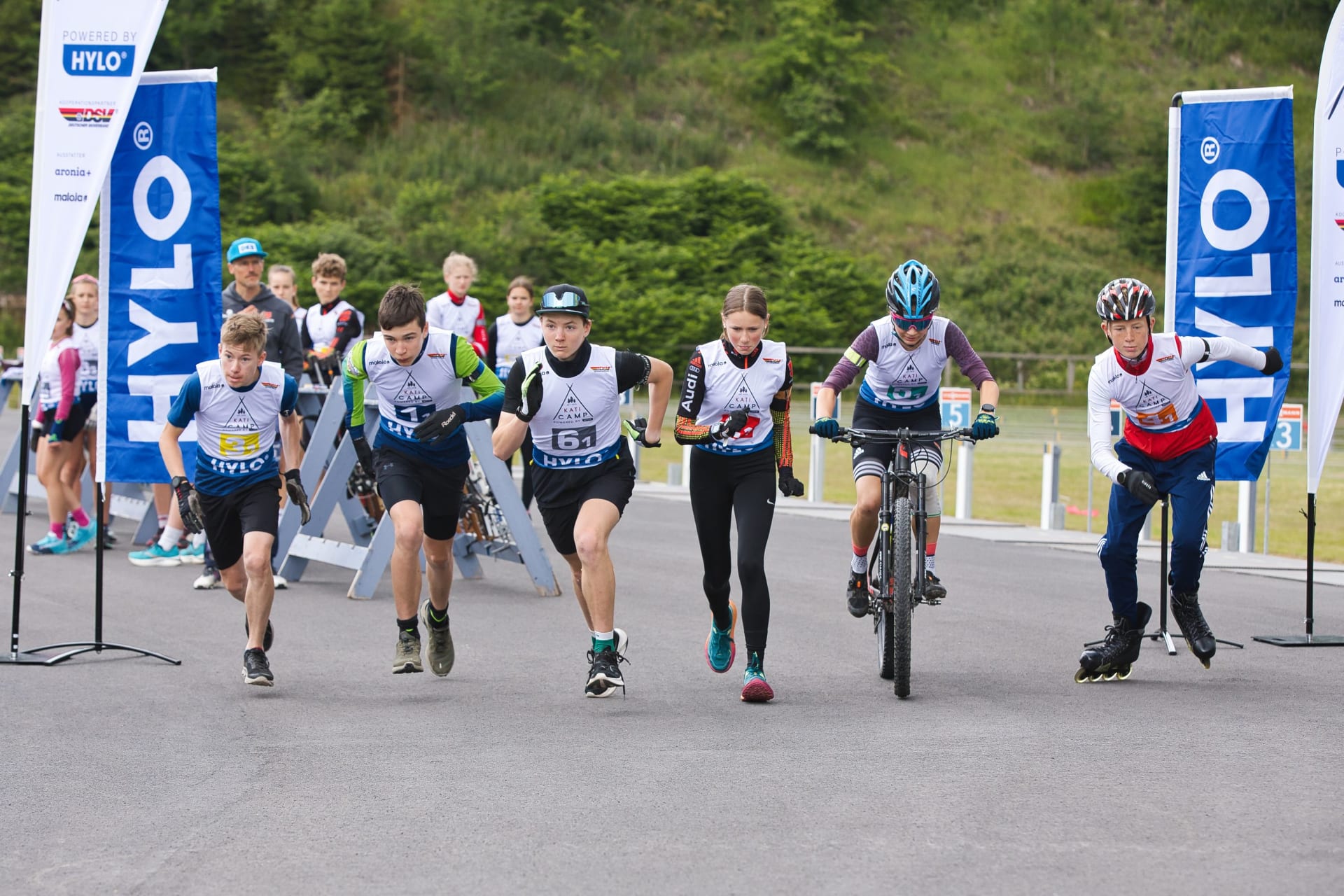
The DSV Kati-Wilhelm-Camp, held in Oberhof from June 30th to July 2nd, 2023, marked a significant milestone in German biathlon's youth development. Named after biathlon legend Kati Wilhelm, the camp aimed to transition talented young athletes, aged 15, from air rifles to small caliber shooting, integrating them into the rich culture of biathlon. Guided by top German Ski Federation coaches and experts like Sandro Brislinger and Andreas Emslander, participants underwent comprehensive training in shooting, athletics, and equipment handling, alongside team-building activities like climbing and inline-hockey.
This intensive three-day camp not only enhanced technical and physical skills but also promoted camaraderie and the biathlon spirit among the young attendees. The experience culminated in a biathlon team competition, underscoring the camp's emphasis on excellence and teamwork. Reflecting on the camp, organizers plan to include more downtime in future sessions for deeper engagement and reflection.The Kati-Wilhelm-Camp is a testament to the German Biathlon Federation's dedication to fostering future champions, offering them a foundation in the sport's disciplines and the inspiration to pursue their biathlon dreams at a professional level.
Popularisation of biathlon among kids
Targeted School Recruitment Project - Expanding Youth Participation in Biathlon


The Targeted School Recruitment Project in Norway during season 2025/2026 aimed to introduce biathlon to children and strengthen recruitment at club level. Through school visits using laser shooting equipment, 590 students were given the opportunity to try biathlon in an engaging and accessible way. Following these visits, local clubs organised biathlon schools (recruitment programmes), where 53 children continued their involvement with the sport. By the end of the year, 30 new athletes had become active members of their local clubs, demonstrating a successful transition from initial exposure to regular participation. A key success of the Popularisation of biathlon project was the revitalisation of several clubs that had previously been less active. The Norwegian Biathlon Association supported these clubs through online instructor courses, coaching courses for new coaches and parents, and club visits, helping to recruit and educate volunteers and strengthen the clubs’ ability to welcome new athletes. The project also showed that a targeted approach towards the right age group through schools, combined with strong cooperation between the federation and local clubs, can effectively support recruitment. At the same time, the project highlighted challenges in the recruitment pathway, particularly in converting interest from school visits into participation in biathlon schools and regular club training. Continued support for clubs and closer follow-up in the transition stages will be important for improving long-term retention. Building on these experiences, the Norwegian Biathlon Association plans to expand the programme to more schools and communities in the future.
Growing Biathlon in Hungary: Events Inspire Over 2,800 Young Participants


The Hungarian Ski Federation has successfully continued its series of biathlon promotion events this year, building on the strong foundations established in previous seasons. With improved organization and a clear focus on quality, the 2024/2025 Popularisation of biathlon project reached new levels in both execution and overall impact.
Despite challenging weather conditions—particularly the lack of snow—the federation remained committed to maintaining snow-based activities within its promotional calendar. This dedication paid off, as at least one successful on-snow event was organized, demonstrating resilience and adaptability in difficult circumstances.
Innovation and outreach were central themes of this year’s initiative. A new series of laser shooting competitions was introduced, open to all age groups and designed to engage families, with a special focus on youth participation. This approach has helped broaden the appeal of biathlon and attract new audiences to the sport. In total, 18 events were delivered, reaching over 2,800 participants across children, youth, and junior categories.
Another important achievement has been the expansion and diversification of human resources supporting biathlon development. More women have taken on active roles in administration, children’s programmes, and event organization. Crucially, their contributions are now financially recognized, supporting long-term sustainability and continued engagement.
The project continues to pursue ambitious goals: not only to double the number of athletes, coaches, and instructors in Hungary, but also to establish biathlon as a more visible and widely practiced sport nationwide.
Biathlon Summer Recruitment Drive in Canada

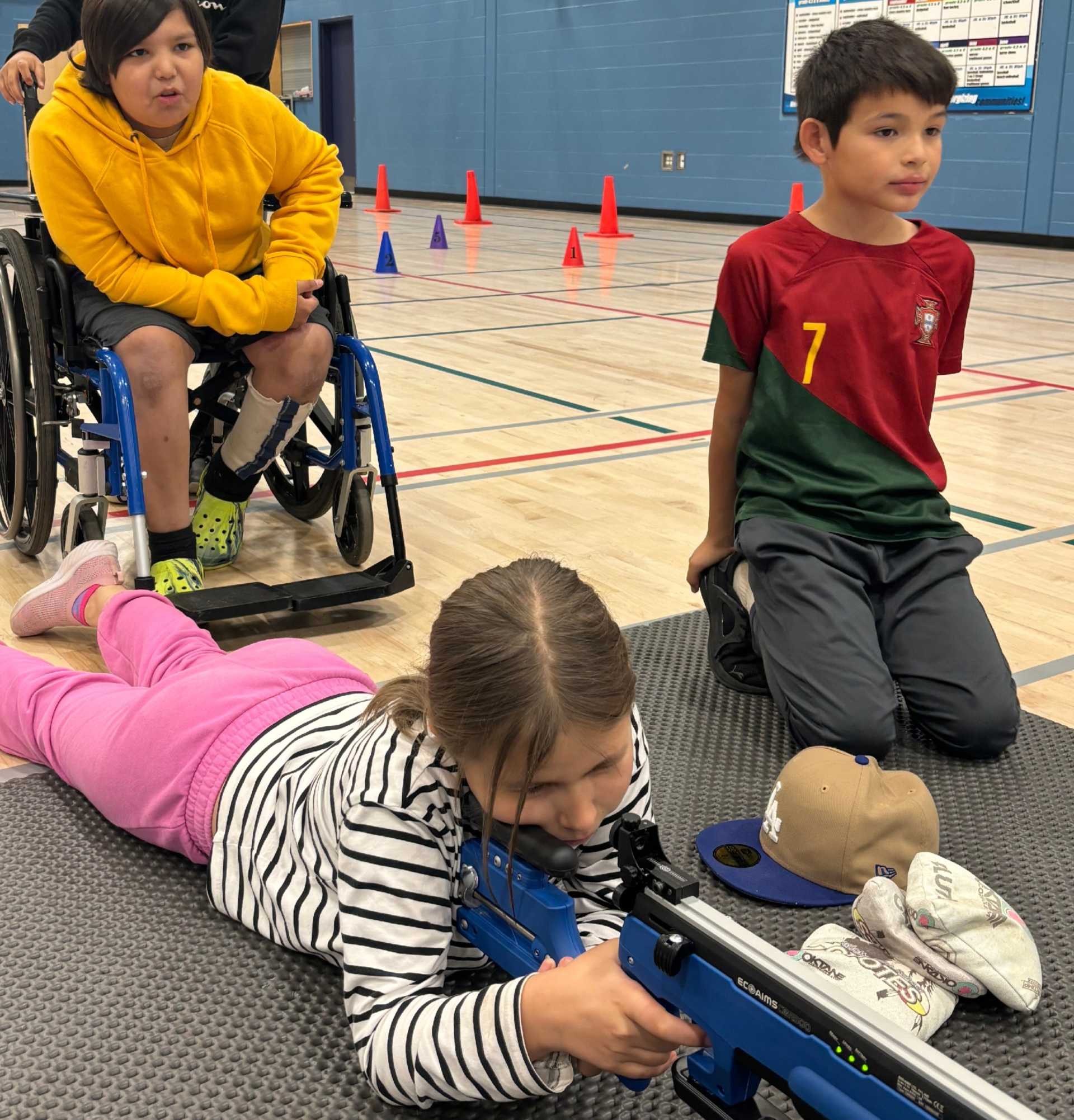
Biathlon Recruitment Drive in Canada - project aimed to support biathlon demonstrations across clubs and regions throughout the summer 2024, using Ecoaims - optical rifles and laser rifles to recruit young athletes. A key focus was training new coaches to effectively use optical rifles for biathlon programs. As the highest priority initiative for increasing youth participation, this project played a vital role in introducing more kids to biathlon and strengthening the sport’s grassroots development in Canada.
The project provided electronic biathlon equipment loans and financial support to provincial and territorial sport organizations and clubs across Canada. The initiative aimed to boost recruitment efforts by introducing biathlon through electronic rifles. Over the course of the project, 143 separate activities were held in 70 locations across 54 cities and towns. The project far exceeded its goal of 2,000 participants in 30 communities, reaching 8,936 participants. Additionally, biathlon saw a rise in U17 athlete registrations, increasing from 819 to 984 in one season, demonstrating the initiative's impact on youth participation.
Support of Training Venue
New Biathlon Targets Boost Training Opportunities in Ukraine

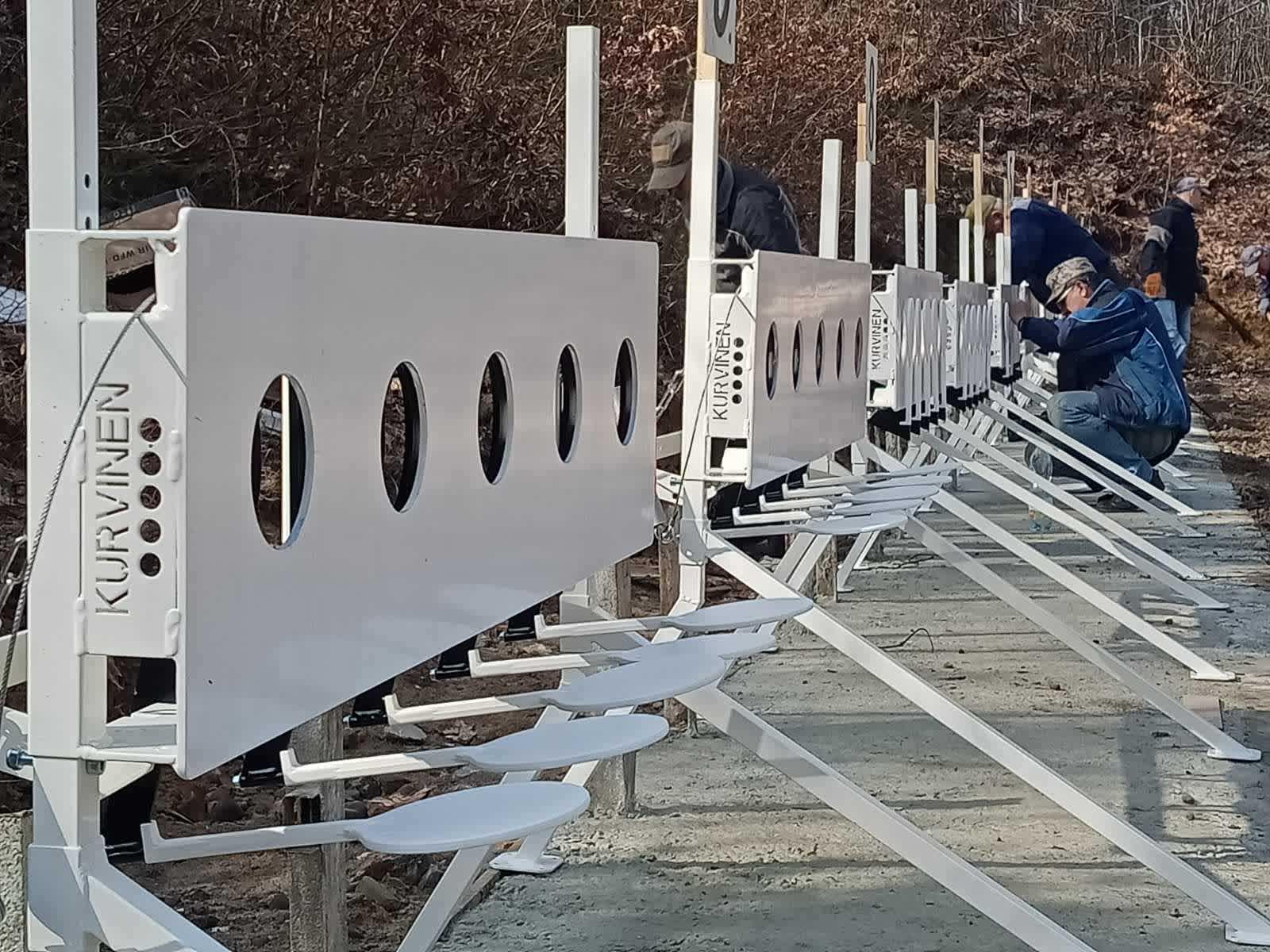
A development project in Ukraine in season 2024/2025 aimed at strengthening regional biathlon infrastructure. The project took an important step forward with the purchase and installation of new shooting targets in the Lviv region. The initiative focused on supporting a regional biathlon training venue by investing in key equipment at the national level.
The Lviv region began preparations for venue reconstruction at the start of summer 2024. As part of the project, ten mechanical targets were purchased. With the installation of the new targets, the venue is now largely ready to host training camps, marking a significant milestone for the development of biathlon in the region.
Local sports schools have already increased their training activities by around 30 percent, while overall biathlon participation in the area is expected to grow by up to 25 percent thanks to the availability of a proper shooting range. Overall, the project represents a major step forward for the growth of biathlon in the Lviv region, creating new opportunities for athletes, coaches, and local sports programs.
The Movable Biathlon 4 All - Setup

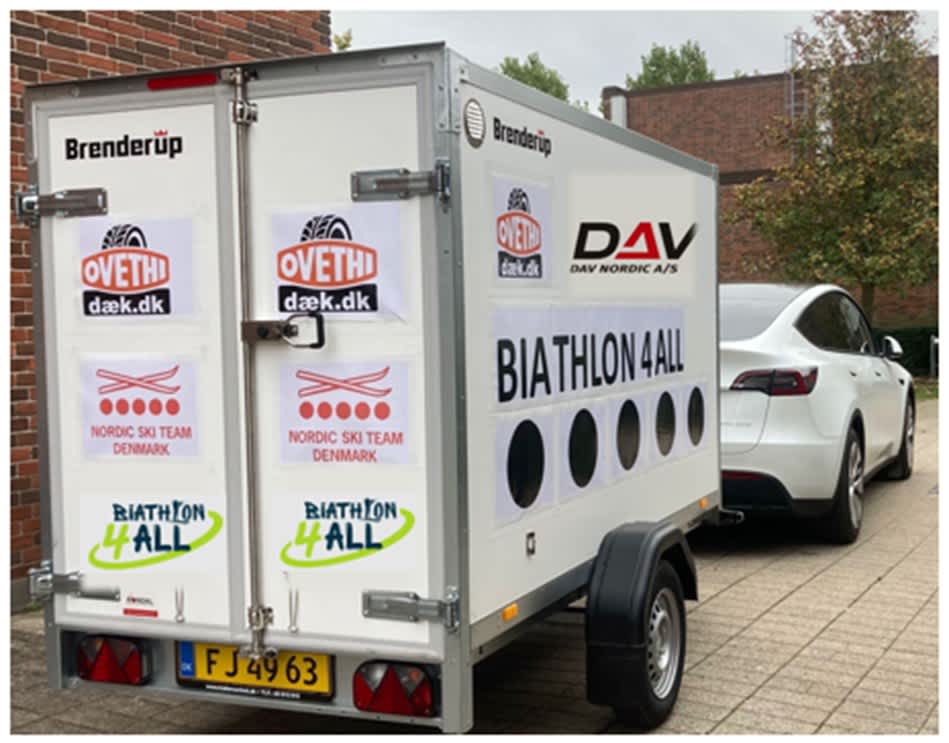
Despite Denmark’s lack of mountains and snow, biathlon is steadily growing. With IBU’s support, National Federation of Denmark created a mobile shooting range, allowing them to transport 10 or more Biathlon 4 All laser rifles, mats, and other equipment in a specially designed trailer. This is the trailer number two in Denmark carrying rifles around. This mobile shooting range makes it easy to set up rollerski biathlon activities or other biathlon events anywhere—on parking lots, grassy fields, go-kart tracks, ski trips in Norway, and more.
During the last two years with the Biathlon 4 All-project over 4000 young Danish people have tried biathlon. This project is growing and aims to increase biathlon’s visibility in Denmark by focusing on school children, boarding schools, and high school students (ages 12-18). The goal is to bring biathlon to new regions while educating more instructors to handle laser rifles and lead training sessions. To enhance athlete development, the project will integrate technical shooting training into daily routines using laser rifles, cartridges, and mobile movement sensors.
Shooting Skills Czech Biathlon Youth

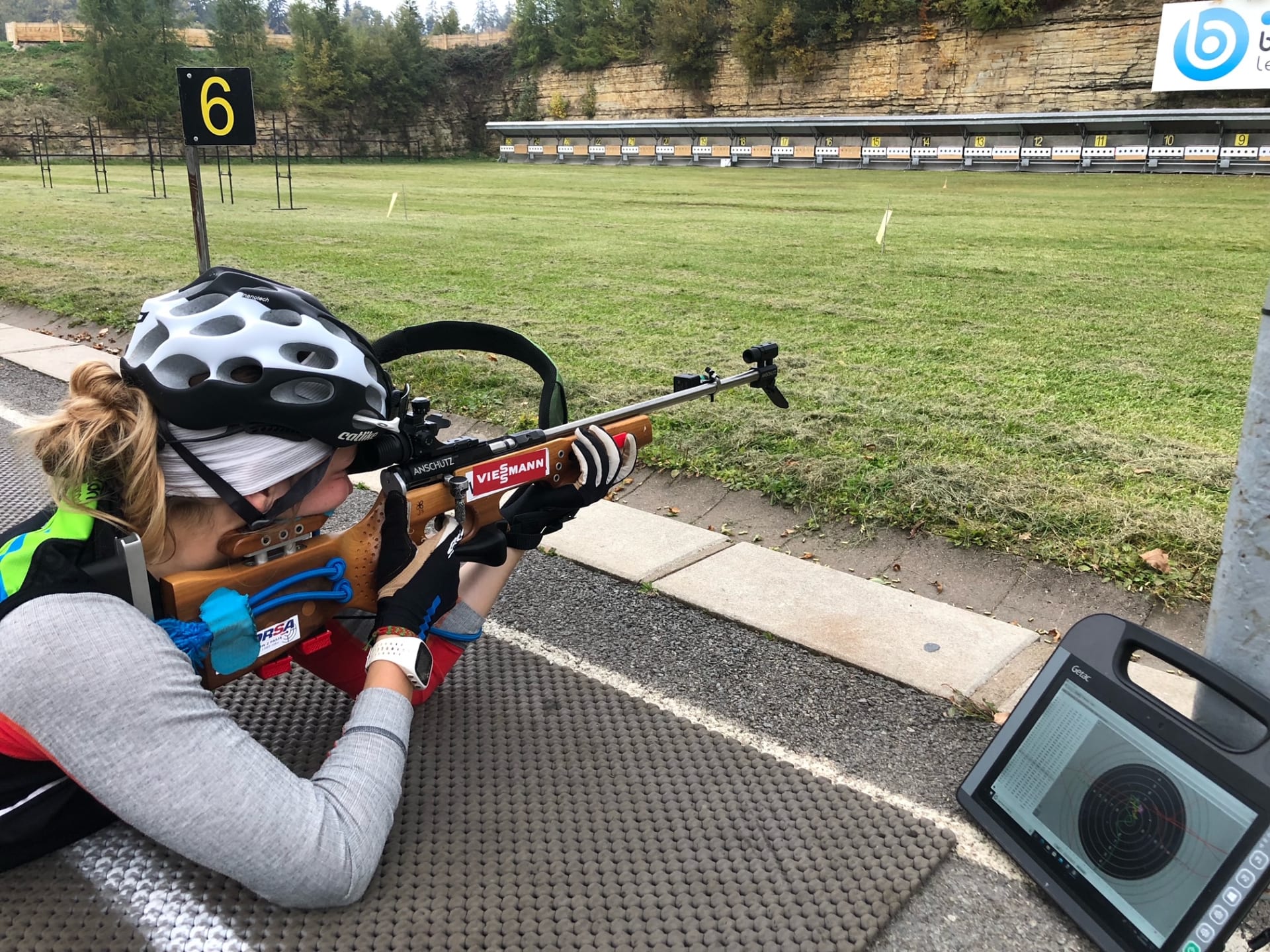
The Czech Biathlon Union embarked on an impactful journey from June to December 2022, aimed at bolstering the shooting skills of young athletes. Through the "Support of Shooting Skills - Youth" project, the federation equipped several biathlon clubs, including Jilemnice and Nové Město na Moravě, with state-of-the-art electronic targets (Meyton) and additional Scatt systems for comprehensive training. This initiative was further enhanced with the distribution of air rifles to budding biathlon clubs, fostering the sport's growth from the grassroots level.Despite adjustments in the project's inventory due to varying prices and availability, the mission remained steadfast—to improve the shooting accuracy and technique of youth and junior athletes.
This endeavor not only elevated the training quality but also cemented a foundation for nurturing future biathlon talents within the Czech Biathlon Union. By fostering connections between clubs, schools, and the national team, the initiative opened new avenues for biathlon's expansion in the Czech Republic. With the International Biathlon Union's backing, this project stands as a testament to the collaborative efforts aimed at advancing biathlon at a national and international level, inspiring other federations to undertake similar developmental projects.
NF Partnerships
Strengthening Danish Biathlon Performance Through Collaboration with Germany


This Partnership project consisted of several targeted initiatives designed to help Denmark close the performance gap to the leading biathlon nations. The collaboration with German expertise and support focused primarily on improving shooting performance during both the pre-season and the winter competition period, while also increasing—or at minimum maintaining—ski speed during international competitions.
Key project activities included:
A shooting performance enhancement camp in Oberhof with shooting expert Peter Sendel.
Professional ski grinding and ski preparation services to optimize ski performance.
In-season athlete and coaching support throughout the winter competition period.
Waxing support during IBU events to ensure optimal ski speed in competition.
Ongoing follow-up on shooting performance and additional shooting coaching at selected IBU events.
Through these initiatives, the Danish team achieved measurable improvements during the international winter season. Overall team performance increased, highlighted by several important milestones.
Beyond competition results, the project also helped create greater stability and continuity throughout the winter season. The collaboration with Peter Sendel during both the pre-season and in-season periods resulted in important technical adjustments, including key changes to rifle settings for several athletes. These adjustments contributed directly to improved shooting performance and greater consistency in competition.
Overall, the project successfully strengthened several key performance areas and supported the continued development of Danish biathlon athletes at the international level through effective collaboration with German expertise.
North American Biathlon United in Joint Training Camp


In the days leading up to the Youth and Junior World Championships, the Canadian and United States teams came together for a joint training camp with a shared purpose: to prepare for the Championships while strengthening the connection between two national federations.
Holding the camp at the same venue where the athletes would soon compete gave both teams a valuable opportunity to become familiar with the course, range, and race environment. More importantly, it allowed athletes from across North America to train side by side—something that doesn’t happen often during the season. For many of these athletes, most of their racing and training is done within their own team, so the chance to train with another national team brought new energy and perspective to the week.
Throughout the five-day camp, Canadian and American athletes trained together in a variety of sessions. From race-simulation shooting on the range to race-preparation intensity workouts and relaxed recovery sessions on the trails, the athletes shared the experience of preparing for a world championship together. Entering the range in groups helped recreate the pressure and rhythm of racing, while training alongside new teammates pushed everyone to elevate their level.
Behind the scenes, the collaboration extended beyond the athletes. Coaches from both teams met regularly throughout the camp to exchange ideas, discuss challenges facing North American biathlon, and explore ways to strengthen cooperation between our programs in the future. These conversations created valuable opportunities for learning and set the stage for continued collaboration.
By the end of the camp, strong connections had formed between athletes and coaches from both teams.
A strong NF Partnership Between Norway and Estonia
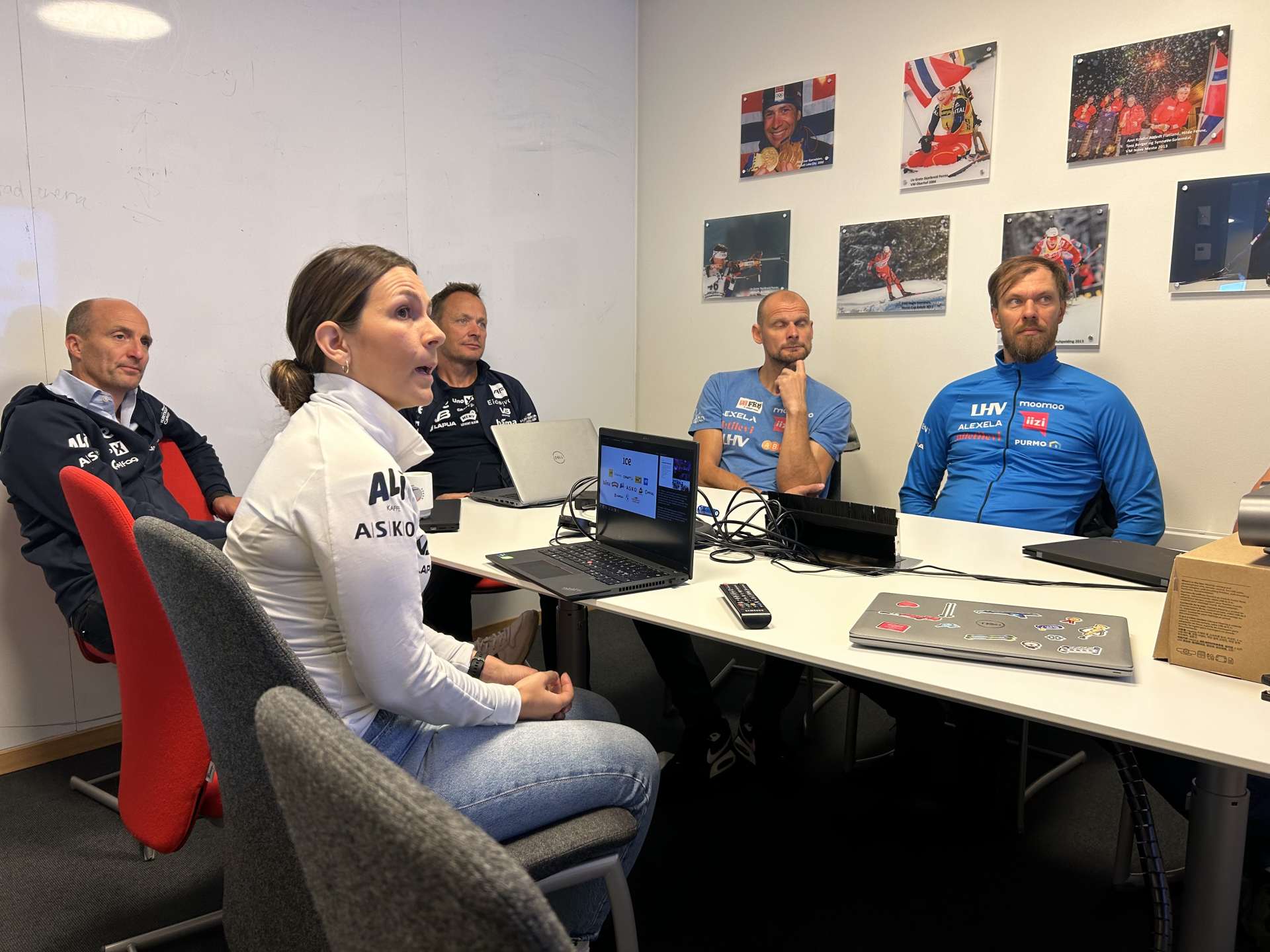
Over the past two years, Norway and Estonia have had a fruitful NF Partnership. Through this partnership, coaches, athletes, and organizations in both nations have learned from each other with the goal of further development in multiple areas.
It started in the spring of 2023 when the Norwegian Biathlon Association was looking for a strong partner nation. As one of the leading biathlon nations in the world, the strategic plan includes a goal to always have at least one partner nation and to take responsibility for the international development of our sport. Closing the gap between A and B nations was also high on the agenda. For both nations, it was important that this would be a long-term collaboration. The first year started with joint camps for junior and development teams. In these camps, athletes could train together, challenge each other, build relationships, and form friendships.
One of the goals of this partnership was to learn from each other about how our organizations are structured and operate. This included the visit of the Estonian Biathlon Federation management team in Norway. The Norwegian federation shared its approach to marketing, sponsorships, and partnerships during the visit. The development support from the IBU made this NF Partnership possible and created valuable opportunities to learn from and develop alongside each other.
Sweden-Czech Republic Biathlon Exchange: A Story of Collaboration and Growth

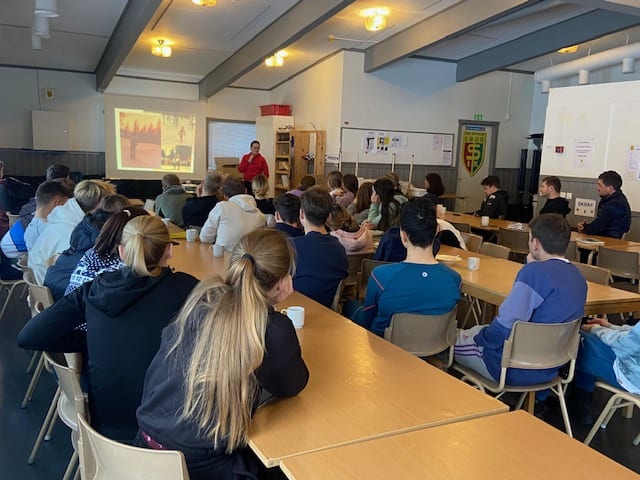
The Sweden Biathlon Federation and Sveg Biathlon Gymnasium, led by Erik Albinder and Anna-Carin Zidek, partnered with the Ski Club Nove Mesto Na Morave from the Czech Republic for a groundbreaking biathlon camp in Sveg. This late 2024 initiative united 15 young athletes (16-19 years) and their coaches in a program aimed at skill enhancement and cultural exchange. Training sessions, competitions, and a special presentation by Czech sport nutritionist Tomas Hlinsky highlighted the camp, offering novel approaches to maintaining athlete energy levels.
This collaboration spurred the development of new training methods and strengthened international ties, with plans for a follow-up camp in Nove Mesto to further this growth. Despite cold challenges, the project's spirit of cooperation highlighted the potential for partnership in athlete development. This Sweden-Czech Republic exchange promises ongoing mutual learning and deeper connections, showcasing the impact of international cooperation in sports.
Cross-Border Collaboration: Latvian and Estonian Biathlon Federations Forge New Pathways

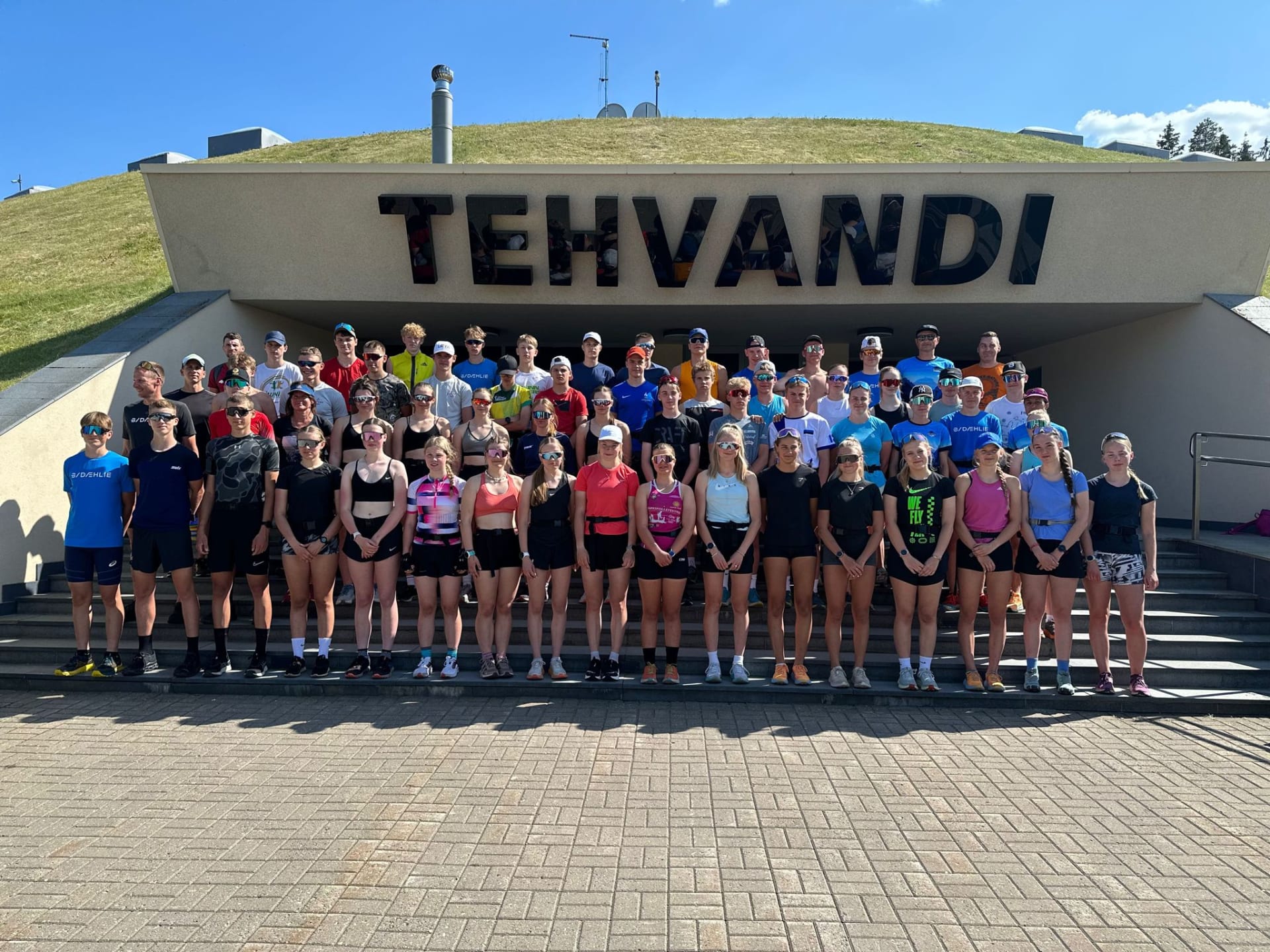
The Latvian and Estonian Biathlon Federations collaborated on a landmark training camp from June 12th to 18th, 2023, at Estonia's Tehvandi sports center, significantly advancing Baltic biathlon. This initiative united young athletes from both nations, offering a week filled with comprehensive training in shooting techniques, physical fitness, and teamwork, all aimed at boosting their biathlon skills.The success of this cross-border partnership lay in blending the distinct training philosophies of Latvia and Estonia, fostering a rich environment for learning and growth. The camp facilitated not only skill enhancement but also the formation of strong bonds and mutual respect among the athletes and coaches, showcasing the unifying power of sports.
Key figures from both federations, such as Andris Snorins, Karlis Vanags, and Ilmars Bricis, played crucial roles in mentoring the athletes, highlighting the camp's collective effort to pool expertise and resources. The positive outcomes of this collaboration were evident in the athletes' improved performances and the strengthened relationship between the participating nations.Moving forward, both federations aim to expand on this success by diversifying activities and extending training opportunities, underlining their commitment to fostering a vibrant biathlon community in the Baltic region. This project serves as an inspiring model for future cooperative efforts in the sport, demonstrating the significant impact of joint initiatives on athlete development and biathlon's growth.
Bridging Continents: The Polish-Australian Biathlon Connection
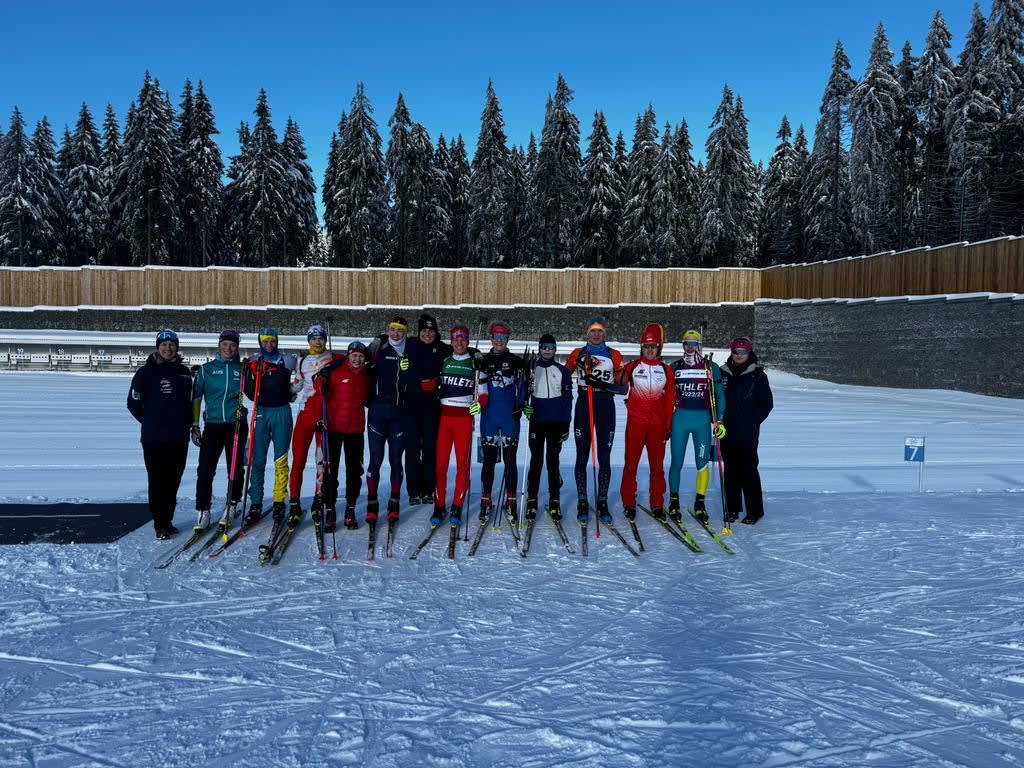
The Polish and Australian Biathlon Federations embarked on a unique partnership from November 15, 2023, to January 29, 2024, enhancing biathlon through shared training camps and support in IBU competitions. This initiative fostered an exchange of techniques, camaraderie, and cultural experiences, highlighting the importance of fun and mutual respect in achieving excellence.
Polish and Australian athletes competed together in IBU events, offering valuable insights into each other's approaches and strengthening international bonds. The project emphasized the development of young coaches and deepened athletes' understanding of biathlon's competitive nature. Key figures from both countries, including Tosha Stopar and Adam Kołodziejczyk, played crucial roles in facilitating this exchange, contributing to the project's success in building competitive spirit and friendships among participants. This collaboration showcased the potential for future joint efforts, underscoring the impact of international partnerships in sport development.
Martell Training Camp: A Confluence of Cultures in Biathlon
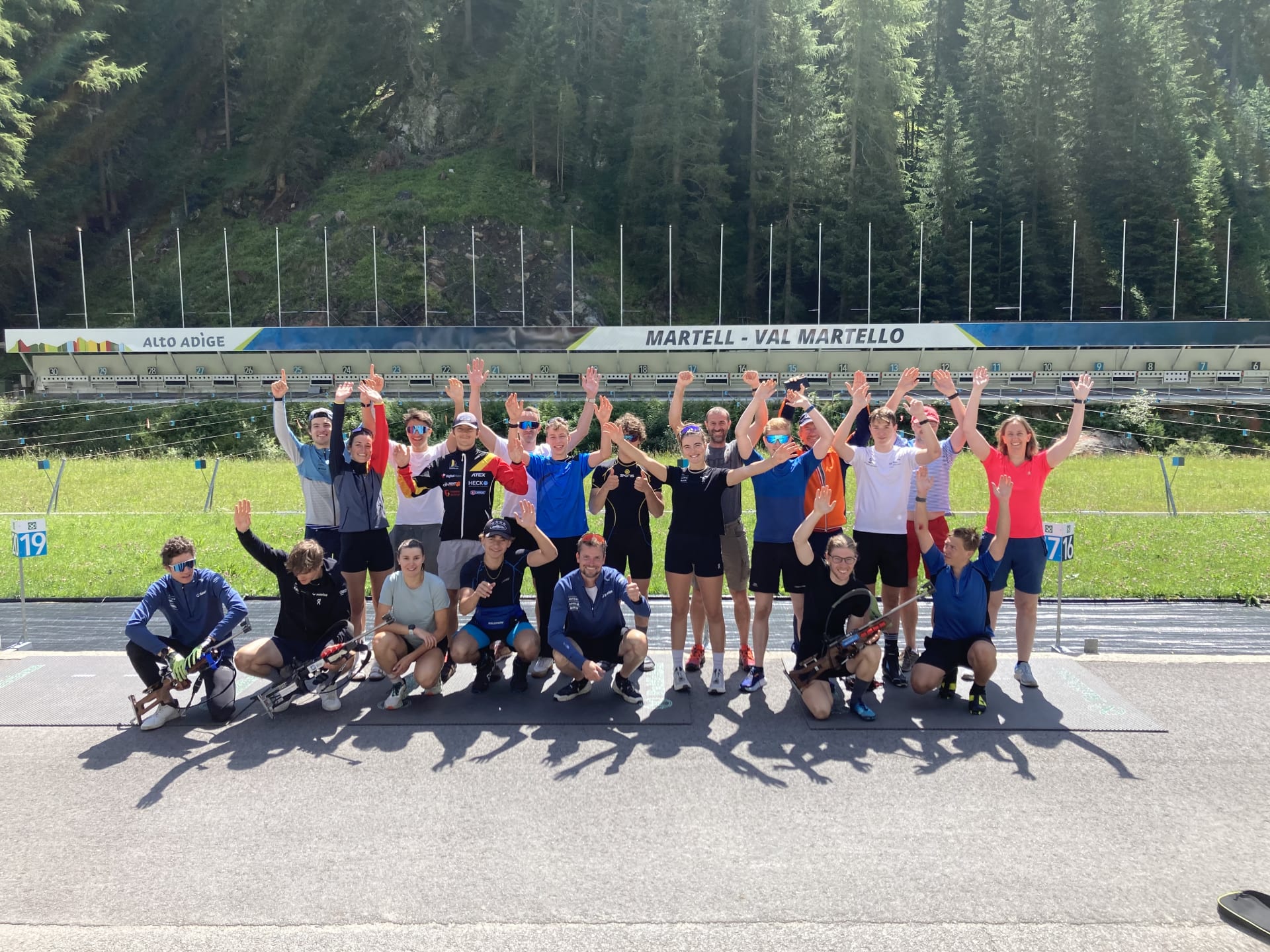
The Martell Training Camp, held from July 9th to 16th, 2023, exemplified international collaboration in biathlon, bringing together Belgium, the Netherlands, and Switzerland. Aimed at enhancing biathlon skills and fostering camaraderie, the camp offered thirteen tailored sessions that balanced intensive training with fun activities, promoting a holistic development experience for participants.
Despite a reduced number of participants, the camp achieved its goals, emphasizing the exchange of training philosophies and the importance of mutual respect among different cultures. Key to the camp's success was the involvement of Armin Kasslatter, an Italian technique expert, who provided valuable insights into ski technique improvement. The camp not only improved the athletes' competitive abilities but also strengthened the sense of community across the three participating countries, laying a solid foundation for future collaborative projects in biathlon. The positive feedback highlighted the camp's role in breaking down barriers and enhancing international cooperation in the sport.