My Monday Routine with Emilien Claude
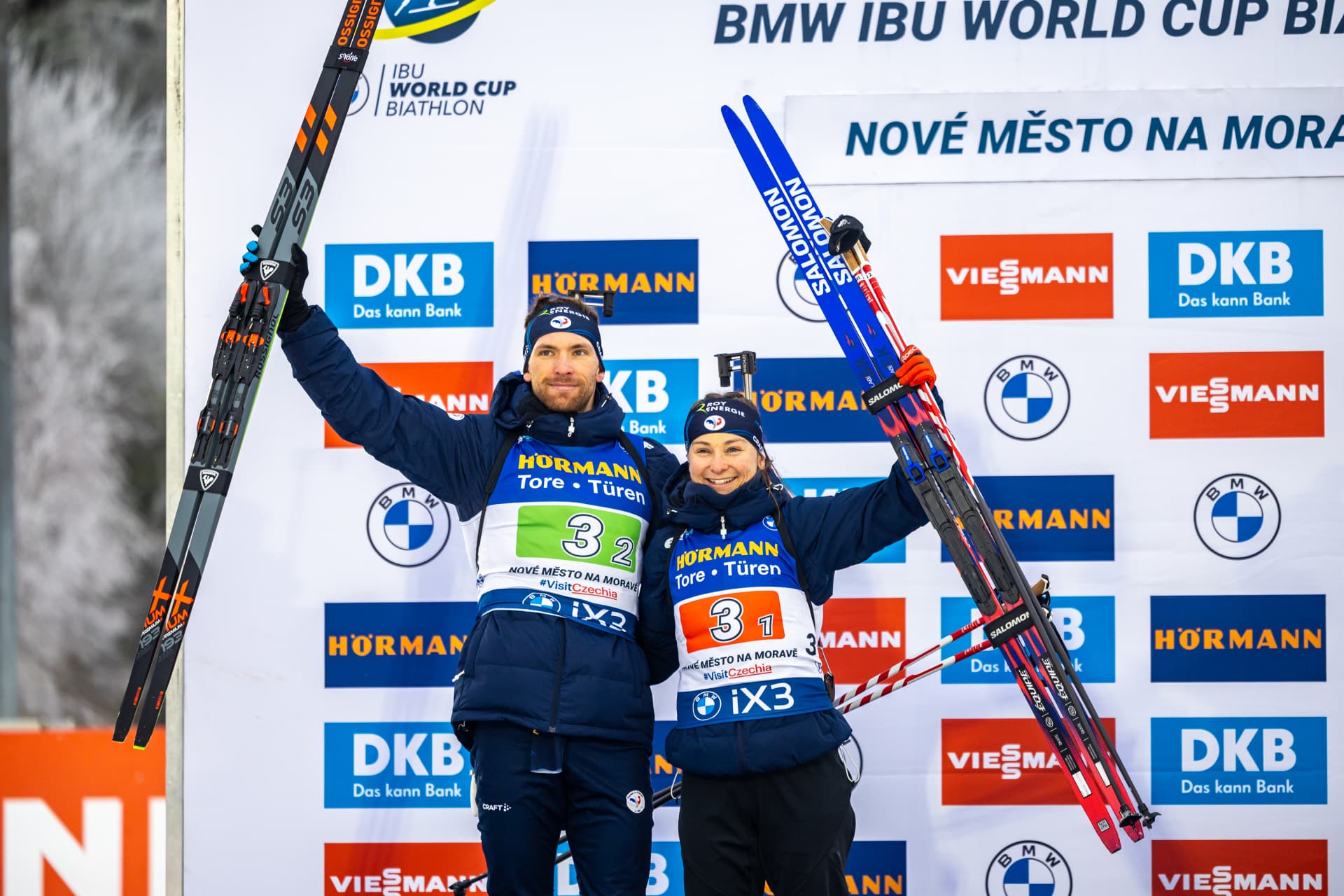
Emilien Claude’s emergency back surgery in September 2025 could have derailed his season and possibly his biathlon career, but 3 months later, he competed pain-free in the Oestersund season opener. Although not the Olympic season of his dreams, the 27-year-old still picked up a podium in the Nove Mesto Single Mixed Relay and was selected as a reserve for Milano Cortina.

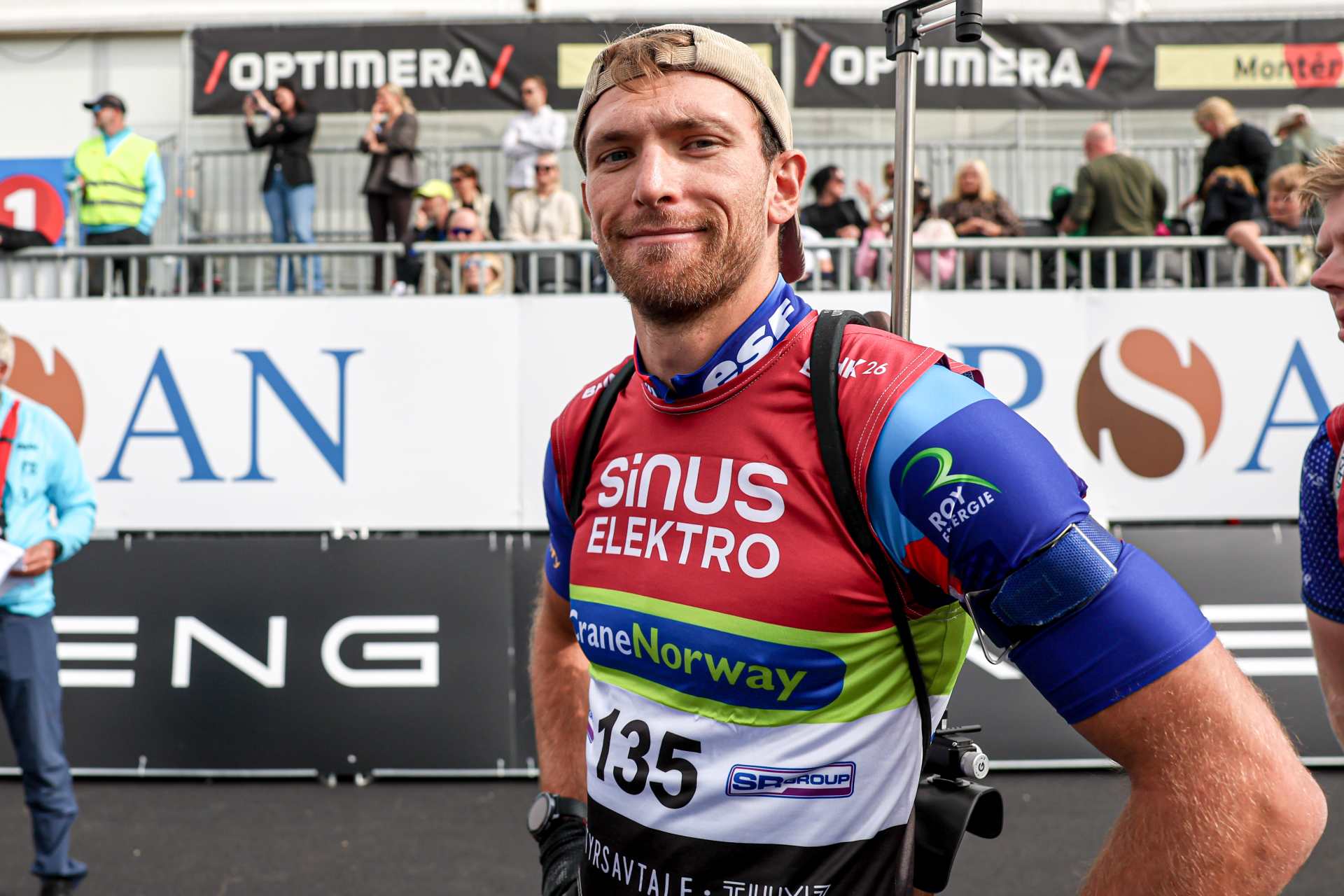
With the new season on the horizon, the youngest Claude brother looks forward to a solid 2026/27. On a hot summer afternoon, the 3-time IBU Junior World Champion chatted about his Monday routine and having his long-time girlfriend Anna Gandler as a training partner.
Biathlonworld: What time do you wake up on Mondays and what is the first thing you do after waking up?
Emilien Claude: Usually it is 7:30 since I have to get up to go to training. First thing I do is check my messages, especially this summer when my brother Fabien was in New Zealand; there are always a lot of messages and videos to look at.
BW: What is the first app you look at when you turn on your phone?
EC: WhatsApp for messages from the family, sponsors, friends. It is my most important app. After that I go to…Instagram!
BW: What makes your breakfast perfect?
EC: Eggs and ham or bacon are number 1 for sure. After that the best is when Anna makes her porridge with yogurt, fruit and jam.
BW: Coffee, tea or…?
EC: Coffee, for six months I drank only espresso or cappuccino then I got tired of that and changed, but always coffee.
BW: Does your early morning regime include stretching, yoga, a run or mental preparation for the day ahead?
EC: I would say yes, now since my back surgery. It is now like a routine to stretch a bit after the night to be ready for training.


BW: Do you consider yourself a perfectionist when it comes to training?
EC: When you are a high-level athlete, you are a bit of a perfectionist. I am not a maximal perfectionist, but close. I have to have some balance: to be perfect in some things, finish the workout and then step away for a few hours, come to the afternoon and enjoy it without that stress.
BW: Are you fearless?
EC: No, no, I fear injury now after my journey. I fear when I train in a way that I do not want to. After my injuries, I like to do it my way, speak with the coaches, but really don’t like doing things I have to, but really do not want to do!
BW: When the day is over, what do you do to wind down?
EC: It depends if I am with my girlfriend or my family. I always like to switch from biathlon and talk about something else, even if that is difficult, because I live in a “biathlon family” (with brothers Fabien and Florent). I do not have any routine. If I am with friends, I might go on the boat or enjoy golfing. In training camp, I prefer to rest a bit, but I like to do some kind of activity.
BW: What is the hardest part of being a professional biathlete?
EC: It is a 100% job. It is not like you go to work at 9 in the morning and you come back at 18 and it is finished. Biathlon is a job that starts in the first hours of the day and goes until the night. And when you sleep, you have to sleep well. You are always planning your strategy for this season and for the next one and in April, you have only 3 weeks to do something else. You have to do biathlon 100%.
BW: What did the biggest lesson the Olympics taught you?
EC: Just being at the Olympics is not my dream, not enough. My dream is to get some medals, not be 5th or 6th because nobody remembers that. A Bronze medal is good, but it is only Gold that really matters. It is ‘Go for Gold’ in four years.
BW: What is your biggest food indulgence, something you cannot live without?
EC: Rice, I eat a lot of rice especially during the winter, but actually all the time. It gives me a lot of energy. I eat more rice than pasta during a year.
BW: What is your advice to a young kid just starting biathlon?
EC: Don’t push you body too hard, to the limit, even if you don’t have problems. I had that advice when I was younger. Biathlon is not your whole life. When you are in the hospital for back surgery at 25, you think maybe I can do biathlon for 4 or 8 years more. After that, you hope to live 40 or 50 years. A great career is only 10 years of your life. If your body is completely broken, life will be hard. The most important thing is not the success but how your body feels. Training intelligently is most important.


BW: Your back operation was the biggest challenge you faced; did you think your career might be over?
EC: I did not think about that not so much. It was such a big change, and I had confidence in the people around me. That is why it worked so well. I knew I needed a bit of luck, and everything had to go perfectly. I did not get an Olympic medal, but it was incredible to be at the start three months after surgery. Not a lot of athletes could have done that. Maybe the result was unimpressive, but for the people around me, it was. Then a good January qualified me for the Olympics with one of the best teams.
BW: How much fun is it having Anna to share the sport with?
EC: It is so cool. When we are together, we are really together from breakfast to evening. We train together and do almost exactly the same thing: go to the gym and do intensity on the same days. I am used to it because I grew up with two biathlete brothers. It is perfect because you share so much. We live through a lot of emotions, including some tough ones in winter. Our relationship is stronger due to that.
BW: What was the highlight of your spring holiday in Keyna?
EC: The safari, which is something you should do it once in your life. Being five meters away, looking into a lion’s eyes is special. Connecting with nature like that is something we do not have in Europe. I would recommend a safari to everyone!
Photos: IBU/Dmytro Yevenko, Emilien Claude. Nordic Focus/Manzoni, Authamayou


 Sign up for our newsletter
 Follow us on:


