What Is Biathlon
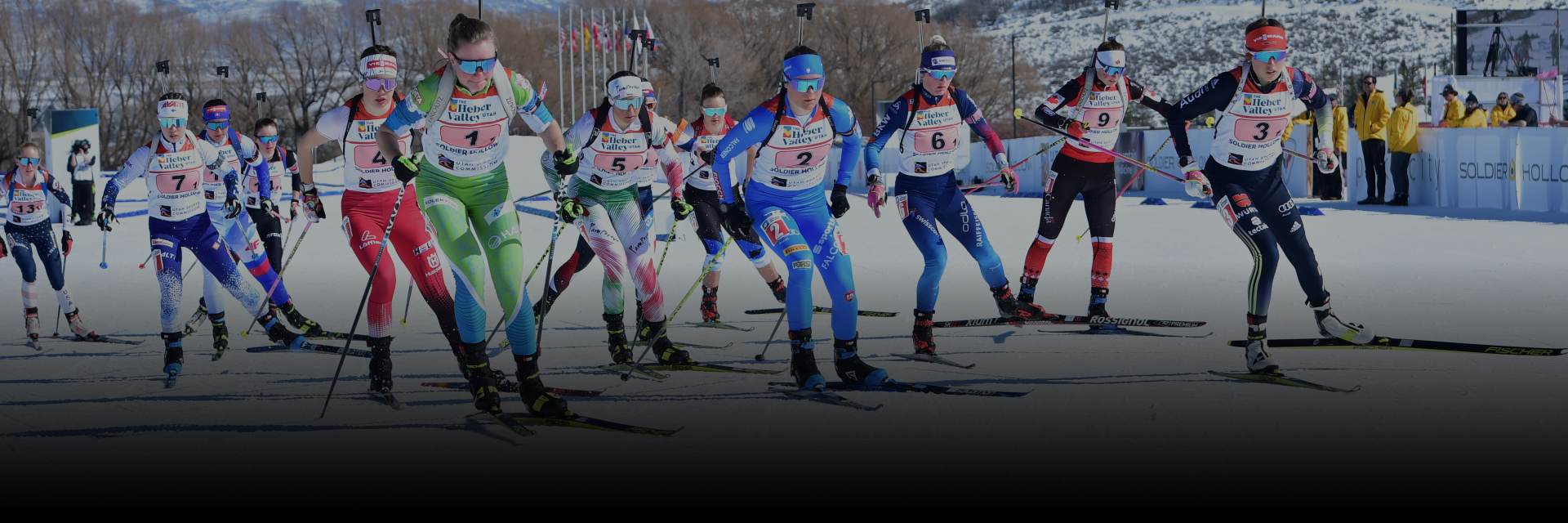
At first hand, biathlon might look like an unusual mix of two disciplines that could not be further apart from each other: all out intensity skiing and high precision marksmanship. What began as survival in snowy Scandinavian landscapes is now a winter sports powerhouse, exciting fans of all ages with its unique multitasking of endurance and precision in spectacular mountain settings.

The Shooting: Precision Under Pressure

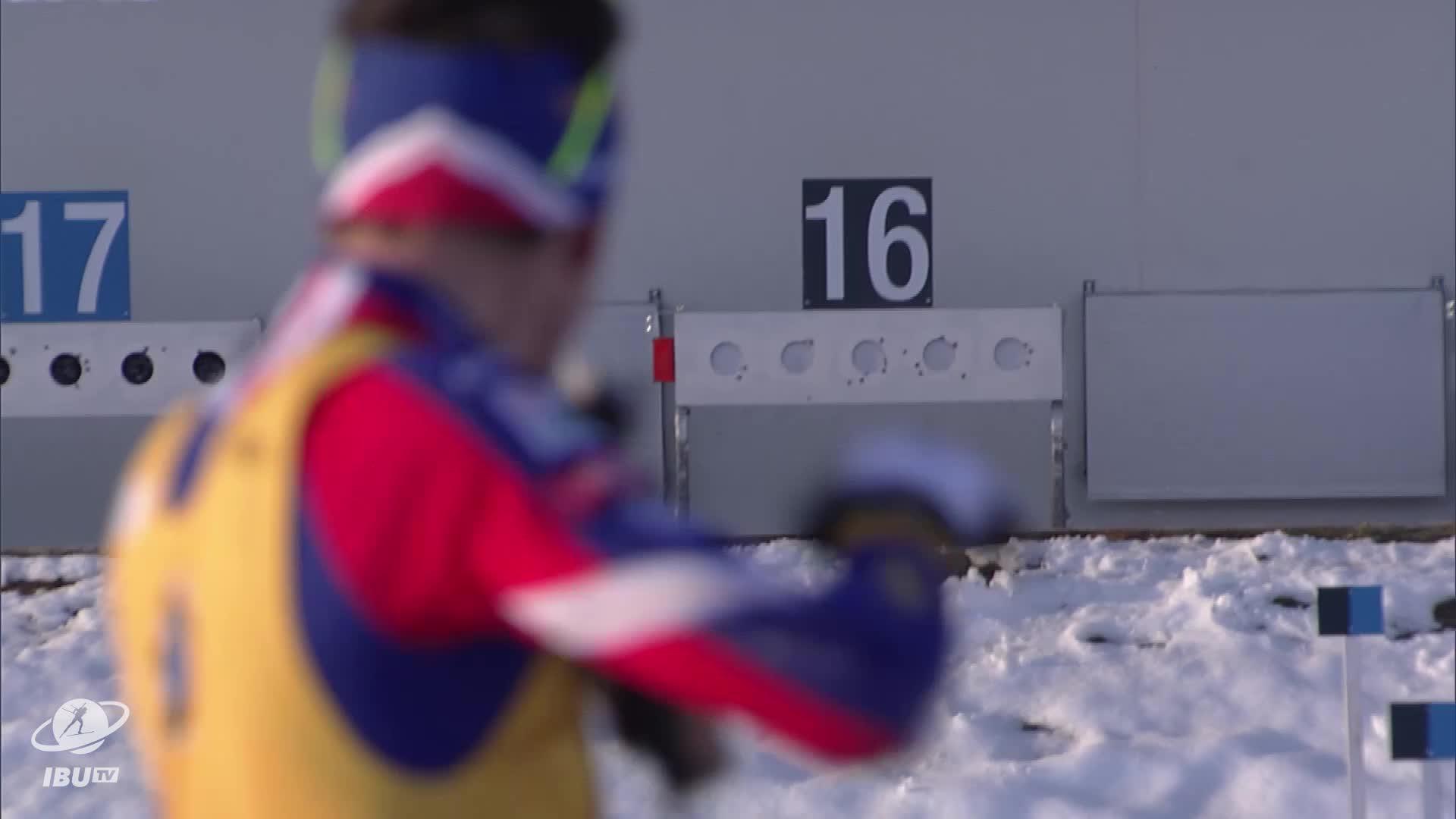
In biathlon, shooting is where fatigue meets rapid-fire — and where races are won or lost in a matter of seconds. Athletes arrive at the range with their heart rates hitting 180 beats per minute or more. Yet they must switch instantly from full-gas skiing to absolute stillness. Every shot is a mental reset. Five targets, two positions (prone and standing), and one simple truth: accuracy beats speed if your nerves can hold. A clean shot can electrify an entire stadium, while a single miss can short-circuit an athlete's race and silence the crowd.
This tension is what hooks new fans: the sport's most dramatic moments often happen without anyone moving. One shot can reshape an entire race, turning leaders into chasers and outsiders into contenders in an instant.

The Skiing: Pure Power on Frozen Racetracks

If shooting is the calm, skiing is the storm. Biathlon skiing is built on cross-country speed — explosive and relentless. Athletes race on courses that twist through forests, climb hills, and dive into fast descents, demanding both raw power and flawless efficiency. Every loop is a balancing act between attacking the terrain and conserving just enough energy to stay sharp for the shooting range.
What makes biathlon skiing so compelling is the rhythm of constant change and shifting gears: quick bursts up climbs, aerodynamic tucks downhill, smooth gliding on flats, and tactical decisions when skiing in packs. Watching them attack the final loop - legs burning, crowds roaring - is where biathlon's intensity reaches its peak. It's pure athletic drama on snow.


