"I feel like I have some new gasoline in my tank!" - How Coaches are Preparing a New Olympic Cycle
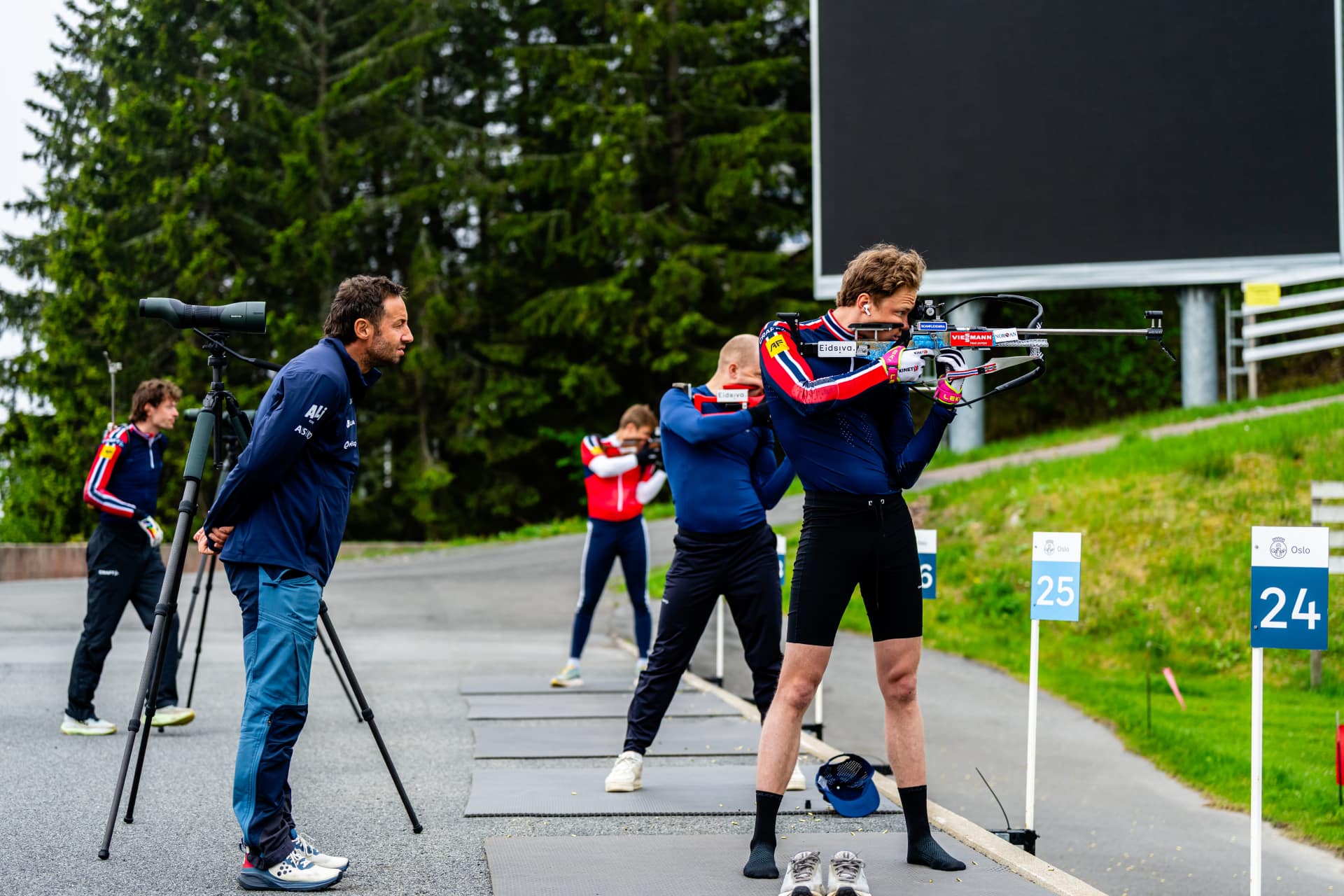
The last Olympic cycle is history. The new training season is under way and with a new focus, Norway, Poland and Sweden revealed their priorities for the years up to the French Alps 2030 Olympic Winter Games.


Less Altitude
The last four-year plan centred around altitude with Milano Cortina and Lenzerheide in mind. The altitude-centric focus now takes a back burner according to Norway’s Patrick Oberegger. “We will go once or twice a year; not drop it totally, but it is not our priority.” As Oberegger takes charge of the Norway’s dominant men’s program, he remains focused on continued success.
Oslo 2029
Oberegger sees his and new physical coach Anders Overby’s main task this season, as a “new challenge. We know the expectations for us are high every year, but that is okay. I have been close to the boys in the World Cup for some years and Anders brings some new ideas and enthusiasm. We have a good vision and plan with our goal the World Championships at Oslo in 2029.”
Preparing the Next Generation
Joining veterans Sturla Holm Laegreid, Johannes Dale-Skjevdal and Vetle Sjaastad Christiansen are youngsters Johan-Olav Smoerdal Botn, Martin Uldal, and Isak Leknes Frey plus the B-team’s uber-talented Einar Hedegart. “Preparing this (next generation) is one big part of our plan. We need to keep a good balance between the younger ones and the older ones. The younger guys train with the others all the time and we will bring in the B-team sometimes.”
Oberegger is enthusiastic about working with his talented group of men. “My motivation has gone up with a new goal. The mood is really good in the team. I feel like I have some new gasoline in my tank!”


Poland’s Youth Movement
Unlike Oberegger, Poland’s Uros Velepec goes into the next quad with a very young, developing team that is far from the podium. Poland’s Milano Cortina team of Konrad Badacz, Marcin Zawol, Jan Gunka, and Grzegorz Galica were 23, 23, 24 and 19 years-old, respectively. Velepec emphasised, “At the next Olympics, we will probably have the second youngest team. It is a challenge, but we have some great talents. This season and the next will be more about development. We will try to get the basic work done and then try to go for a result. Badacz and Gunka can go for this and the others will stay in the development mode.”
After taking over the team less than a year before Milano Cortina, Velepec admits, “We did absolutely everything opposite to be good; increased the intensity and volume, technical work and fast shooting. But this was important in terms of success later.”
Development a Priority
“For sure, developing those few athletes including (2026 IBU Junior WCH Silver medalist) Galica in the next years is important. We are going step-by-step. The athletes work at their own pace at home and in camps we focus on specifics. It is all about development. They all need quite a bit of work before they will be stable in the World Cup.”
Patience Rules
The veteran coach from Slovenia compared this team to his early days in Slovenia. "I started with Jakov Fak, Klemen Bauer, and Peter Dokl when they were really young and we made a really good story. It is like that. This is work I really love. Patience is most important. In three years, we want to show something better than now.”

Sweden’s Record-setting Season
Sweden’s Johannes Lukas comes from other end of the success ladder. His returning team includes Olympic Gold medallist Martin Ponsiluoma, Relay Bronze medallists Sebastian Samuelsson, Jesper Nelin and Viktor Brandt plus his Nations Cup-winning women’s squad of the Oeberg sisters, Anna Magnusson, and Linn Gestblom. This powerhouse set a single season record of 37 podiums, including three Milano Cortina medals.
“We are really proud of this. The Olympics are always huge. Everyone wants to achieve medals, but when you are there, it is not easy. We had no medals in the first part, but we stayed together and stayed calm. Then we had the Gold which is huge, but the two team medals are always special, because they came as a group. I am really proud that we managed under pressure.”
“Know where we want to be in four years”
Looking towards the next four years, “We will relax a bit about altitude preparation, where you are, and how many days you do. You still have to be smart and use some of the good things from the last four years. We will return to Font Romeu, not just for the altitude. It has great training possibilities, and we especially, coming from Sweden need the mountains. I still believe in altitude training, but maybe not three camps.”


“With our new training structure and spending more time training at home, we are quite relaxed about not planning for 4 years now. We feel quite confident. A lot of athletes returned and listened to them, reducing the travel days. After the season, we will reevaluate and see what the strengths were in our new plan. We know where we want to be in four years, but will see evaluate after next season and go from there.”
Teamwork is most important”
Looking back over the last four years, Lukas admitted, “We did a lot of things right: athlete selections, bringing in young athletes early and not being afraid to change the training for some of the older athletes. Teamwork together is most important. As we found in Antholz, it is the extra energy within the group that can bring you up. We believed in that and I still believe in it and we will continue with that group focus.”
Different plans, different philosophies and goals for Norway, Poland and Sweden. Now it is on to the new season with French Alps 2030 on the distant horizon.
Photos; IBU/ Manzoni, Wizor, Nordic Focus


 Sign up for our newsletter
 Follow us on:


