Die olympischen Legenden des Biathlon: Eine Zeitreise durch vergoldete Momente
Seit seiner Olympia-Premiere 1960 verlangt Biathlon den Athleten eine außergewöhnliche Komplexleistung aus Ausdauer und Präzision ab, bei der ein einziger Fehler alles zunichtemachen kann. Als Nachfolger der Militärpatrouille debütierte der Sport mit nur einem Männer-Wettkampf, entwickelte sich dann aber bei den folgenden 17 Winterspielen rapide zu einer festen Größe mit elf Disziplinen, in denen seit 1992 auch Frauen antreten und olympische Geschichte schreiben. Und jede Ära schrieb eigene Geschichten – von Dominanz und Dramatik, von Triumph und Enttäuschungen.
Dieser Artikel blickt zurück auf die erfolgreichsten olympischen Biathletinnen und Biathleten von 1960 bis 2022 – nicht nur die mit der größten Medaillensammlung, sondern auch die, deren Namen einen Nachhall in Herzen und Legenden hinterlassen haben.
Von den ersten Schüssen zu vierfachem Gold: Prägende Momente des olympischen Biathlon
Der erste Null-Fehler-Schütze
Beim olympischen Debüt des Biathlon 1960 war es nicht der schnellste Läufer, der das Rennen gewann, sondern der mit der größten Nervenstärke. Der Schwede Klas Lestander traf im 20 km Einzel in Squaw Valley alle 20 Scheiben, und er war der Einzige, dem dieses Kunststück gelang. Auch wenn er bei den Laufzeiten nur den 15. Rang verbuchen konnte, brachte ihm sein makelloses Schießen den Sieg und machte ihn zum ersten Olympiasieger der Sportart.
Der Zimmermann, der schon in jungen Jahren das Jagen lernte, beendete seine Sportlerkarriere schon ein Jahr später. Einen nationalen Titel hat er nie gewonnen, doch sein Name ist mit dem Beginn der olympischen Biathlon-Geschichte untrennbar verbunden.
Goldene Anfänge im Frauen-Biathlon
Auch hinter dem Biathlon-Debüt der Frauen bei den Winterspielen 1992 steckt eine bewegende Geschichte. Die Deutsche Antje Harvey (geborene Misersky) wurde in Albertville im 15 km Einzel der Frauen die Olympiasiegerin im Biathlon.
Aber ihre Goldmedaille war viel mehr als nur ein gutes Resultat. Jahre zuvor hatten sie und ihr Vater – Trainer in der DDR – und sie sich geweigert, das staatliche Doping-Programm zu unterstützen. Er wurde entlassen, Antje wurde als damalige Langläuferin vom Spitzensport ausgeschlossen.
Nach dem Fall der Mauer war sie wieder da, trat nun für ein wiedervereintes Deutschland an und gewann zwei weitere Silbermedaillen in Sprint und Staffel. In Lillehammer 1994 gewann sie ihre vierte olympische Medaille – erneut Silber mit der Staffel.
Durch den Schneevorhang
In einer Zeit, in der Biathlon bei Olympia noch fest in europäischer Hand war, gelang Myriam Bédard ein Paukenschlag. 1992 holte sie in Albertville Bronze im Sprint und damit die erste olympische Medaille im Biathlon für Kanada.
1994 ging sie in Lillehammer wieder an den Start und holte Gold in beiden Einzeldisziplinen, die damals ausgetragen wurden, was ihr den Titel der ersten – und immer noch einzigen – Biathlon-Olympiasiegerin vom amerikanischen Kontinent einbrachte. Kaum zu glauben, aber wahr: Die zweite Goldmedaille gewann sie, obwohl sie mit zwei verschiedenen Skiern an den Start gegangen war, von denen einer auch noch schlecht gewachst war. Trotz allem ging sie mit über einer Sekunde Vorsprung vor der Konkurrenz über die Ziellinie. Bédards Triumph beweist, dass olympische Höchstleistungen im Biathlon nicht den europäischen Nationen vorbehalten sind – und manchmal auch unter widrigsten Umständen möglich.
 Ikonen des olympischen Biathlons


Unerreicht und unvergesslich
Fast zwei Jahrzehnte lang war Ole Einar Björndalen das Maß aller Dinge im olympischen Biathlon. 1998 in Nagano verabschiedete er sich mit zwei Medaillen und dem Titel des erfolgreichsten Biathleten der olympischen Geschichte. Vier Jahre später gelang ihm der nächste Coup. In Salt Lake City gewann er 2002 alle Biathlon-Einzelwettbewerbe, die dort ausgetragen wurden, und obendrein noch die Staffel – eine Siegesserie, die 20 Jahre lang unerreicht blieb. In derselben Woche trat er auch über die 30 km im Langlauf an und wurde Fünfter, eine bemerkenswerte Demonstration sportlicher Bandbreite, die bei Winterspielen ihresgleichen sucht.
Als er nach den Winterspielen in Sotschi 2014 seine Karriere beendete, hatte Björndalen ganze 14 olympische Medaillen gewonnen, mehr als jeder Biathlet je zuvor oder danach, und wurde zum Idol für alle, die nach ihm kamen.
Der unerbittliche Rivale
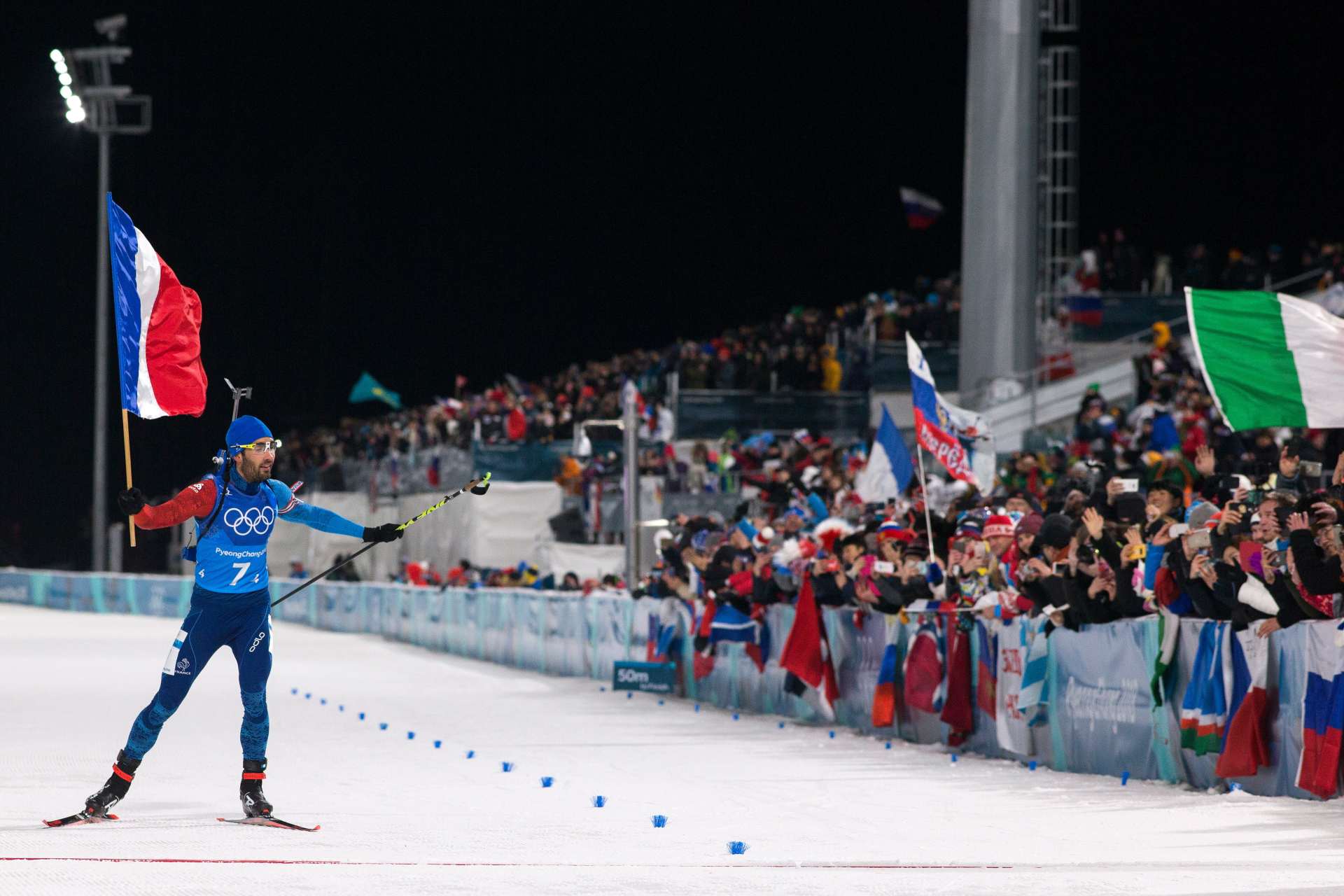
Martin Fourcade wurde ab 2010 zum Gesicht des olympischen Biathlon und wurde nach drei Olympiaden mit fünf Goldmedaillen und zwei Silbermedaillen zum meistdekorierten Winter-Olympioniken Frankreichs. In Pyeongchang lieferte er den Fans 2018 einen der unvergesslichsten Momente der Biathlon-Geschichte – einen hauchdünnen Sieg im Massenstart, bei dem er Simon Schempp um wenige Zentimeter schlug, für die Nachwelt im Zielfoto verewigt.
Er bekam es während seiner olympischen Karriere mit vielen Herausforderern zu tun, aber keiner war hartnäckiger als Johannes Thinges Bö, und die Rivalität der beiden ist inzwischen legendär.
Ruhig, aber enorm kraftvoll
Im eiskalten Wind von Zhangjiakou schrieb Marte Olsbu Röiseland 2022 in aller Ruhe ihren Namen in die olympischen Geschichtsbücher. Sie war die erste Biathletin, die bei einer Olympiade fünf Medaillen gewann – drei Gold- und zwei Bronzemedaillen. Das wohl denkwürdigste Ergebnis war das im Verfolger, den sie mit satten 1:36,5 Minuten Vorsprung auf die Schwedin Elvira Öberg gewann – der größte Vorsprung, mit dem je eine Frau ein olympisches Biathlon-Rennen gewonnen hat.
Mit sieben olympischen Medaillen aus zwei Olympiaden lieferte Röiseland nicht nur hervorragende Resultate ab, sondern sicherte sich auch einen Platz in der Olympia-Geschichte des Sports.
Inbegriff der Dominanz
Johannes Thinges Bö betrat die olympische Bühne 2018 in Pyeongchang und holte dort Gold und Silber – nur ein Vorgeschmack auf das, was noch folgen sollte. Vier Jahre später in Peking gewann er nicht einfach nur, er demonstrierte vollkommene Dominanz. Mit vier Goldmedaillen und einer Bronzemedaille war er der meistdekorierte Athlet der Winterspiele 2022 über alle Sportarten hinweg und setzte im olympischen Biathlon neue Maßstäbe.
Schon ab dem Saisonstart war er praktisch unschlagbar und zeigte sich auch von der ganz großen Bühne praktisch unbeeindruckt.
Schnee, Geschichte und atemlose Stille
Von Lestanders perfektem Schießen 1960 bis hin zu Bös Dominanz 2022 hat sich der olympische Biathlon kontinuierlich weiterentwickelt – bei Disziplinen, Dynamik und der Reichweite. Was einst als Testlauf für eine kleine Gruppe von Nationen seinen Anfang nahm, hat sich zu einer der dramatischsten und meistgesehenen Sportarten bei den Winterspielen entwickelt.
2026 werden neue Namen auf die Jagd nach diesem einen Moment gehen – der Einlauf ins Stadion, die atemlose Stille, bevor der erste Schuss sich löst, der Schlussprint um so viel mehr als Gold.
Fotos: IBU Archive, IBU Photopool


 Abonniere unseren Newsletter
 Folge uns auf


