Norwegens langer Weg zurück zum Para-Biathlon
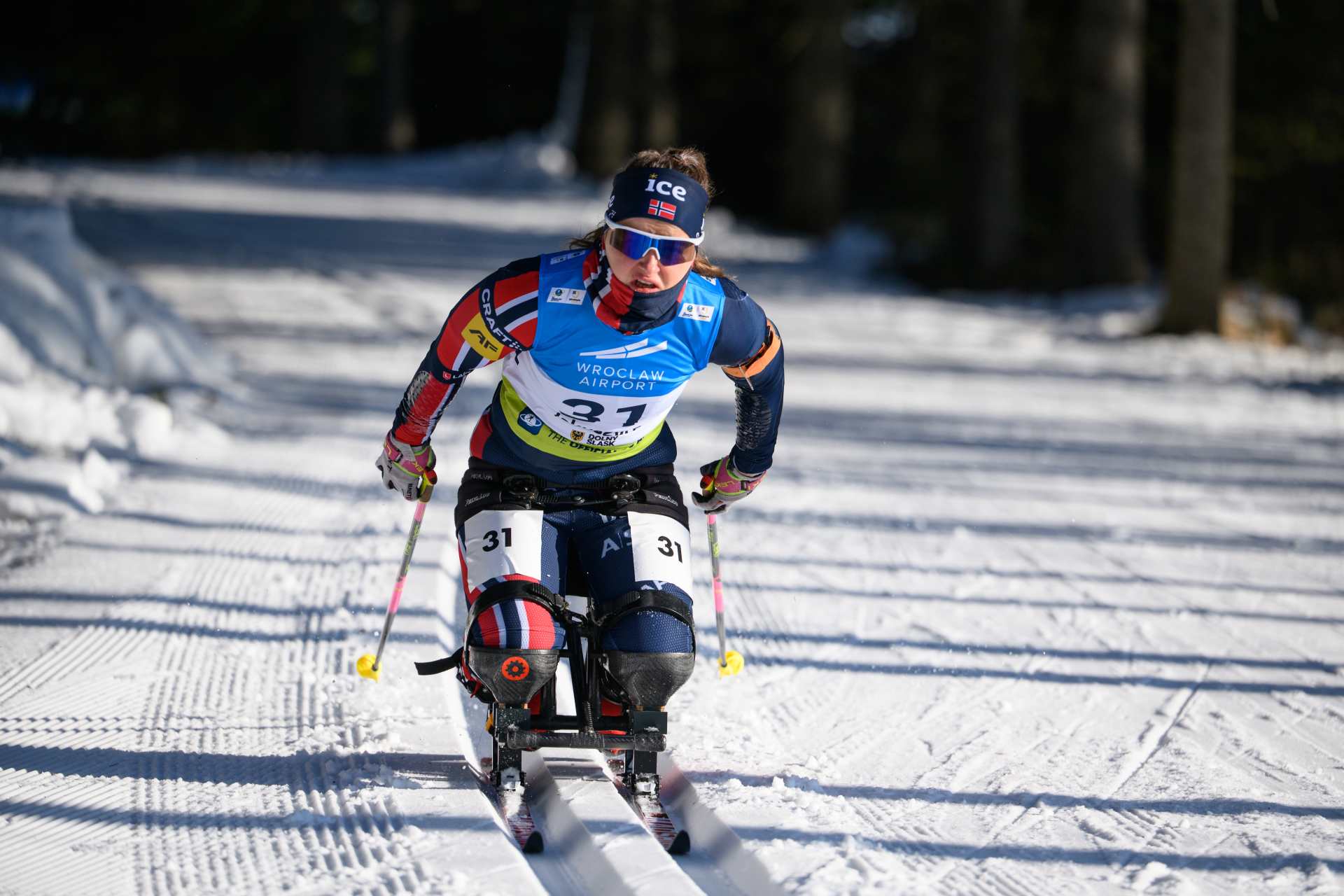
Norwegen ist ein Synonym für Biathlonerfolge. Doch bei den Paralympischen Winterspielen 2026 in Milano-Cortina stand kein einziger norwegischer Athlet an der Startlinie – höchst ungewöhnlich für ein Land mit einer stolzen Tradition im Para-Biathlon.
Einige der erfolgreichsten Para-Biathleten aller Zeiten sind Norweger – wie Nils-Erik Ulset, der zwischen 2006 und 2018 sieben paralympische Medaillen gewann und für über ein Jahrzehnt das Aushängeschild des norwegischen Para-Biathlons war. Vor ihm standen Wiggo Nordseth und Åge Jønsberg bei den Paralympics in Lillehammer ganz oben auf dem Podest, während Ragnhild Myklebust drei paralympische Biathlon-Medaillen gewann und sich als eine der erfolgreichsten Athletinnen dieser Sportart etablierte.
Trotz dieser Erfolge gelang es Norwegen nie, ein nachhaltiges System rund um seine Stars aufzubauen.
„Wir hatten Nils-Erik Ulset, aber er war damals unser einziger Para-Biathlet. Unser Problem war, dass wir kein Nachwuchssystem hatten. Erst 2019 oder 2020 bauten wir ein System für die Para-Nachwuchsförderung auf“, sagte Jens Schjerven, Para-Biathlon-Nachwuchsmanager beim norwegischen Biathlonverband.

Jahrelang stützte sich der norwegische Para-Biathlon weitgehend auf Ausnahmeathleten statt auf ein organisiertes nationales Programm. Da es an engagiertem Personal, Ausrüstung und langfristiger Nachwuchsförderung fehlte, konnte nach Ulsets Rücktritt niemand in seine Fußstapfen treten.
Die ersten sichtbaren Anzeichen für einen Neuaufbau zeigten sich in der vergangenen Saison durch Isabell Valen, die zur einzigen Vertreterin des Landes auf internationaler Ebene wurde und Norwegen nach mehrjähriger Pause zurück zum Weltcup verhalf. Die 31-jährige Sitz-Para-Biathletin war kein Neuling in dem Sport.
„Sie hat schon in ihrer Jugend als Schülerin Biathlon gemacht“, sagte Schjerven. „Ich weiß sogar, dass Tora Berger eine ihrer Trainerinnen war, als sie in Meråker zur Schule ging.“
Da es kein nationales Para-Biathlon-Programm gab, das ihre Ambitionen hätte unterstützen können, konzentrierte sich Valen schließlich auf den Para-Langlauf. Sie nahm an internationalen Wettkämpfen teil und widmete sich später Langstreckenrennen, wie dem Vasaloppet und der Marcialonga. Erst vor kurzem kam der Gedanke an eine Rückkehr zum Biathlon wieder auf. Valen nahm an Nachwuchscamps teil, erhielt gezielte Unterstützung durch Trainer und wurde zur zentralen Figur von Norwegens neu entstehendem Para-Biathlon-Projekt. Ihr Hauptziel war klar: sich für die Paralympischen Spiele in Milano-Cortina zu qualifizieren. Auch wenn dieses Ziel letztlich unerreichbar blieb, ist Schjerven überzeugt, dass die Saison wertvolle Erkenntnisse gebracht hat.
/Individual/Valen080126br417)
„Sie hat im Wettkampf eine Trefferquote von rund 70 Prozent erzielt, was gar nicht so schlecht ist. Die größte Herausforderung lag im Skifahren, wo Isabell sich noch an ihren Sitzski gewöhnen musste und auf der Strecke wertvolle Zeit verlor. Aufgrund der strengen norwegischen Qualifikationskriterien führte dies letztendlich zu der Entscheidung, sie nicht zu den Paralympics zu schicken. Diese Saison hat uns einiges über das Leistungsniveau, das Training und mögliche Probleme gelehrt. Für Isabell gibt es definitiv auf allen Ebenen noch Entwicklungspotenzial“, sagte Schjerven.
Auch wenn die Ergebnisse weiterhin bescheiden ausfallen, investiert der norwegische Verband nun in etwas, das ihm jahrzehntelang gefehlt hat: Struktur. Die neue Vision dreht sich um regelmäßige nationale Trainingslager, eine stärkere Einbindung der Vereine und verstärkte internationale Zusammenarbeit.
„Wir werden vielleicht drei oder vier nationale Trainingslager pro Jahr veranstalten“, sagte Schjerven. „Wir bauen die Zusammenarbeit mit den Vereinen aus, damit die Athleten wöchentlich trainieren und sich dann drei- oder viermal im Jahr auf nationaler Ebene treffen können. Wir beantragen außerdem Unterstützung bei der IBU und hoffen, unsere Zusammenarbeit mit anderen Nationen zu stärken. Wir können gemeinsam an Trainingslagern teilnehmen und Wissen zwischen den Ländern austauschen.“
Norwegische Funktionäre arbeiten mit Sportverbänden, Rehabilitationszentren und anderen Einrichtungen zusammen, um potenzielle Athleten zu entdecken und sie an den Para-Biathlon heranzuführen. Einen unerwarteten Schub erhielt die Initiative durch „Team Pølsa“, eine äußerst beliebte Fernsehserie des norwegischen Senders NRK. Die Sendung begleitete eine Gruppe junger Menschen mit Behinderungen bei ihrem Training für eine große Para-Biathlon-Herausforderung, die in einem Rennen am Holmenkollen während des BMW IBU Weltcups gipfelte. Die Serie erregte landesweit Aufmerksamkeit und trug dazu bei, das Bewusstsein für den Behindertensport bei einem Publikum zu wecken, das zuvor vielleicht noch nie damit in Berührung gekommen war.
Wenn Norwegen nach Inspiration sucht, sticht ein Name besonders hervor: Vilde Nilsen ist bereits eine der weltweit erfolgreichsten Para-Langläuferinnen. Sie hat zuvor im Biathlon an Wettkämpfen teilgenommen und ist nach wie vor eine der bekanntesten paralympischen Athletinnen des Landes.

„Ich würde Vilde Nilsen jederzeit wieder im Biathlon willkommen heißen“, sagte er. „Ich glaube, wir sind heute noch besser vorbereitet als vor ein paar Jahren, falls sie wieder einsteigen möchte.“
Die Entscheidung liegt jedoch bei der Athletin selbst. Interessanterweise hat Nilsen eine Rückkehr nicht ausgeschlossen.
„Wir werden sehen, aber ich gebe zu, dass es verlockend ist, es noch einmal zu versuchen“, sagte sie während der Paralympischen Spiele. „Bei den Paralympics gibt es nur drei Einzelrennen im Skilanglauf. Wenn ich also mehr Wettkampfmöglichkeiten haben möchte, muss ich vielleicht wieder etwas mehr Biathlon betreiben. Wir werden sehen – vielleicht.“
Ob dieses „vielleicht“ letztendlich Realität wird, bleibt eine der spannendsten Fragen für den norwegischen Para-Biathlon in den kommenden Monaten.
Fotos: IBU | Wlaźlak, IBU | Manzoni, IBU | Reichert, IBU | Krystek


 Abonniere unseren Newsletter
 Folge uns auf


