Grygorii Vovchynskyi: Ein Champion in außergewöhnlichen Zeiten
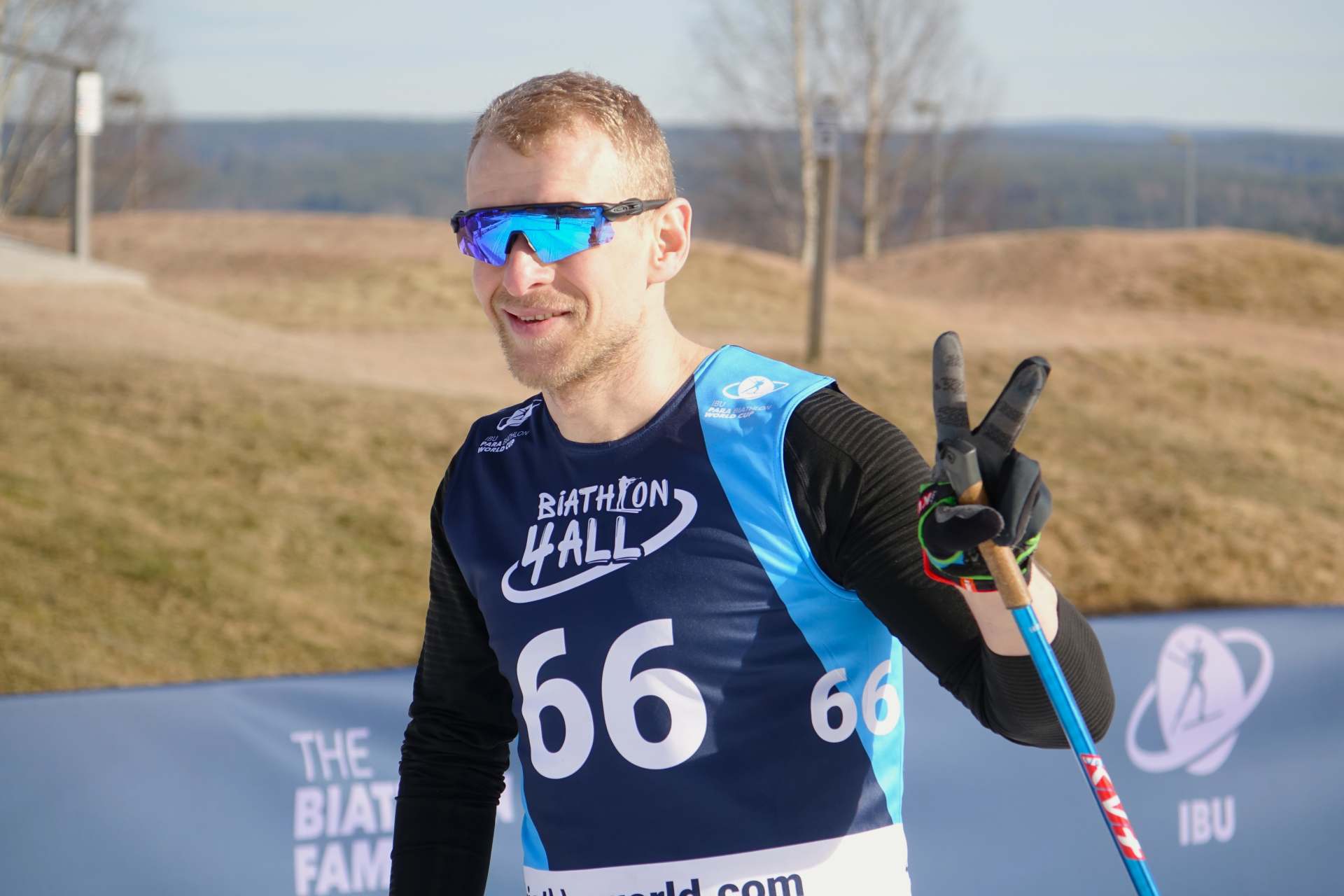
In der Ukraine gilt Grygorii Vovchynskyi schon jetzt als lebende Legende im Para Biathlon. Im März gewann der 38-Jährige seine siebente Medaille bei Paralympischen Spielen und will seine Karriere noch mindestens bis 2030 fortsetzen. Während er sich auf einen neuen paralympischen Zyklus vorbereitet, tobt in seiner ukrainischen Heimat ein Krieg, der den Alltag der Menschen komplett auf den Kopf gestellt hat. Für Millionen im Land, darunter auch Elite-Athleten, ist der Konflikt zu einem festen Teil ihres Alltags geworden, dem sie nicht entfliehen können. Das bringt Herausforderungen mit sich, die weit über den Sport hinausgehen.
Training im Krieg
Das ukrainische Para Biathlon Team trainierte im Juli in Lavazè (Italien) und befindet sich derzeit in einem Trainingscamp in Otepää (Estland). Einen Großteil der Sommervorbereitung bestreitet das Team im Ausland, da der Krieg die Sportinfrastruktur in der Ukraine schwer geschädigt hat.
„Viele Stadien, Schwimmbäder und Trainingszentren wurden beschädigt oder zerstört, darunter auch das Leistungszentrum in Tschernihiw, wo unser Team immer die ukrainischen Meisterschaften bestritten hat. Die nationalen Titelkämpfe mussten verschoben oder abgesagt werden. Mehr als 800 Sportanlagen wurden in Mitleidenschaft gezogen. Es ist furchtbar“, schildert Vovchynskyi die Zustände in seiner Heimat.
/Sprint/DSC_1405)
Das Training im Ausland hat seinen Preis: Für jedes Camp und jeden Wettkampf muss das Team die weite Anreise aus der Ukraine in Kauf nehmen. Da der ukrainische Luftraum weiterhin geschlossen ist, sind Flugreisen nur aus Nachbarstaaten möglich. Das heißt: Anreise per Bus oder Auto zu anderen europäischen Flughäfen. Dadurch dauert jede Reise bedeutend länger als vor Kriegsbeginn.
„An den Grenzübergängen lauern weitere Herausforderungen. Einmal musste unser Bus 13 Stunden warten, ehe er die Grenze passieren durfte“, so Vovchynskyi weiter.
Blick in die Nachrichten
Für Vovchynskyi hat sich das Leben mit dem russischen Überfall auf die Ukraine am 24. Februar 2022 grundlegend geändert. Seitdem gibt es nur noch eine Zeit davor und eine Zeit danach. Für Vovchynskyi ist die psychische Belastung das Schwerste. Er erklärt, dass viele Menschen in der Ukraine in ständiger Alarmbereitschaft leben und immer darauf vorbereitet sind, auf die nächste Gefahr oder das nächste Ereignis zu reagieren. Selbst im Trainingslager machen sich die Athletinnen und Athleten Sorgen um ihr Land und um ihre Angehörigen, die der ständigen Bedrohung weiterer Angriffe ausgesetzt sind.

„Alle ukrainischen Athleten haben Familienangehörige zu Hause. Wir denken an sie, wenn wir unterwegs im Trainingscamp sind. An einem normalen Trainingstag gilt der erste Blick den Nachrichten: Was ist in der Nacht passiert? Geht es allen zu Hause gut? Erst dann beginnen wir mit dem Training. Aus psychologischer Sicht ist das Ganze viel schwerer geworden. Die Anspannung hat deutlich zugenommen.“
Die russische Invasion nahm kurz vor Beginn der Winter-Paralympics 2022 in Peking, bei denen Vovchynskyi Kapitän des ukrainischen Teams war, ihren Anfang. Die Spiele in China wurden letztlich zur schwierigsten, wenngleich erfolgreichsten Zeit in seiner Karriere.
„Während der groß angelegten Invasion lieferte unser Team die besten Leistungen in der Geschichte des ukrainischen Wintersports ab. Als Teamkapitän wusste ich, dass ich mit gutem Beispiel vorangehen musste. Das habe ich getan. Ich war motivierter als je zuvor. Das Verantwortungsgefühl war größer als je zuvor. Es war beängstigend und unwahrscheinlich schwierig, aber wir haben Charakter bewiesen und gezeigt, wozu wir in der Lage sind. Das zeichnet unser Land und unser Volk aus: Wir kämpfen weiter, egal was auch passiert“, erinnert sich der 38-Jährige.

Der größte Fehler
Bei den Spielen 2026 in Mailand und Cortina fügte der Ukrainer seiner Sammlung eine weitere paralympische Medaille hinzu, als er Silber in der Sprint-Verfolgung gewann. Am Schießstand schien Gold in greifbarer Nähe, als er mit 10 Sekunden Vorsprung vor Jiayun Cai zurück auf die Strecke ging. Vovchynskyi kam auch als Erster ins Stadion. Doch er bemerkte nicht, wie der Chinese in seinem Rücken die entscheidende Attacke lancierte. Kurz vor der Ziellinie flog Cai noch am Ukrainer vorbei.
„Das war der größte Fehler in meiner gesamten Laufbahn. Ich weiß noch, dass ich extrem erschöpft war. Doch ich kann die Zeit nicht zurückdrehen. Heute bin ich meinem Team und den Fans sehr dankbar. Ich habe Silber gewonnen, nicht Gold verloren.“
Anflüge einer etwaigen Enttäuschung wurden zudem von einem anderen denkwürdigen Moment verdrängt: Fünfzehn Minuten vor ihm gewann seine Ehefrau Iryna Bui ebenfalls paralympisches Silber.
„Vor den Paralympics haben wir uns zusammen vorbereitet, dieselben Trainingscamps absolviert und uns gegenseitig geholfen. Daher ist es vielleicht keine Überraschung, dass wir beide am gleichen Tag Silber gewonnen haben. Das gemeinsame Training hat sich also ausgezahlt. Wir sind ein tolles Team und unterstützen uns gegenseitig – im Sport und darüber hinaus“.

Wenn der Schnee schmilzt
Die Partnerschaft der beiden endet nicht, wenn der Winter zu Ende ist. Zu Hause in der Ukraine spielen Vovchynskyi und Bui regelmäßig Tennis im Mixed-Doppel. Dieser Sport hat sich zu einem wichtigen Bestandteil seiner Trainingsroutine und zu einer großen Leidenschaft entwickelt.
„Tennis unterstützt mein Training, macht mich stärker und hält mich für den Winter in Form. An den Wochenenden nehme ich regelmäßig an Turnieren teil und spiele meist fünf Partien. Das sind dann gut und gerne vier Stunden auf dem Court. Tennis inspiriert mich. Der Sport erfordert Konzentration, Präzision und Ausdauer. Eines meiner größten Vorbilder ist Roger Federer. Ich mag seine Gelassenheit, seine Spielanalyse und seinen Umgang mit Niederlagen.“
Kein Tritt auf die Bremse
Seine Teamkollegen nennen Vovchynskyi bereits eine Legende – und sie haben allen Grund dazu. Der 38-Jährige, der in der stehenden Klasse antritt, hat seit den Paralympics 2010 in Vancouver bei jeder Ausgabe eine Medaille gewonnen. Im Biathlon kann er mittlerweile zweimal Gold, dreimal Silber und zweimal Bronze vorweisen. Bei den Weltmeisterschaften im Para Biathlon hat er sogar schon doppelt so häufig Edelmetall gewonnen. Mit 38 Jahren hat er nicht vor, kürzer zu treten.

„Das Erfolgsgeheimnis liegt darin, ruhig zu bleiben und genau zu wissen, was man tut, wenn es drauf ankommt. Im Training arbeitet man an den kleinsten Details. Das gilt es dann im Wettkampf einfach umzusetzen. Man muss nichts anders machen und das Rad auch nicht neu erfinden. Einfach ruhig bleiben, sich selbst vertrauen und abliefern, wie man es immer tut. Ich bin jetzt seit 19 Jahren Profisportler und musste mich in den letzten zehn Jahren jedes Jahr aufs Neue motivieren, dabei zu bleiben. Es ist nicht immer leicht, die Energie für die Rennen, für anspruchsvolle Trainingscamps und all die harte Arbeit aufzubringen, die irgendwann ihre Früchte abwerfen wird. Doch jetzt gilt mein Blick bereits den Spielen 2030. Was danach kommt, werden wir sehen.“
Sein nächster Auftritt wartet am 23. August beim City Biathlon in Dresden. Im Tandem mit der sehbehinderten Athletin Romana Lobasheva tritt Vovchynskyi gegen zwei deutsche Duos an: Johanna Recktenwald und Marco Maier sowie Leonie Walter und Lennart Volkert. Dazu kommt das tschechisch-französiche Duo Carina Edlingerová und Karl Tabouret.
Photos: IBU | Krystek, IBU | Wlaźlak, IBU | Barbieri, Grygorii Vovchinsky's private archive


 Abonniere unseren Newsletter
 Folge uns auf


