От сомнений к уверенности: прорывной сезон Воборниковой
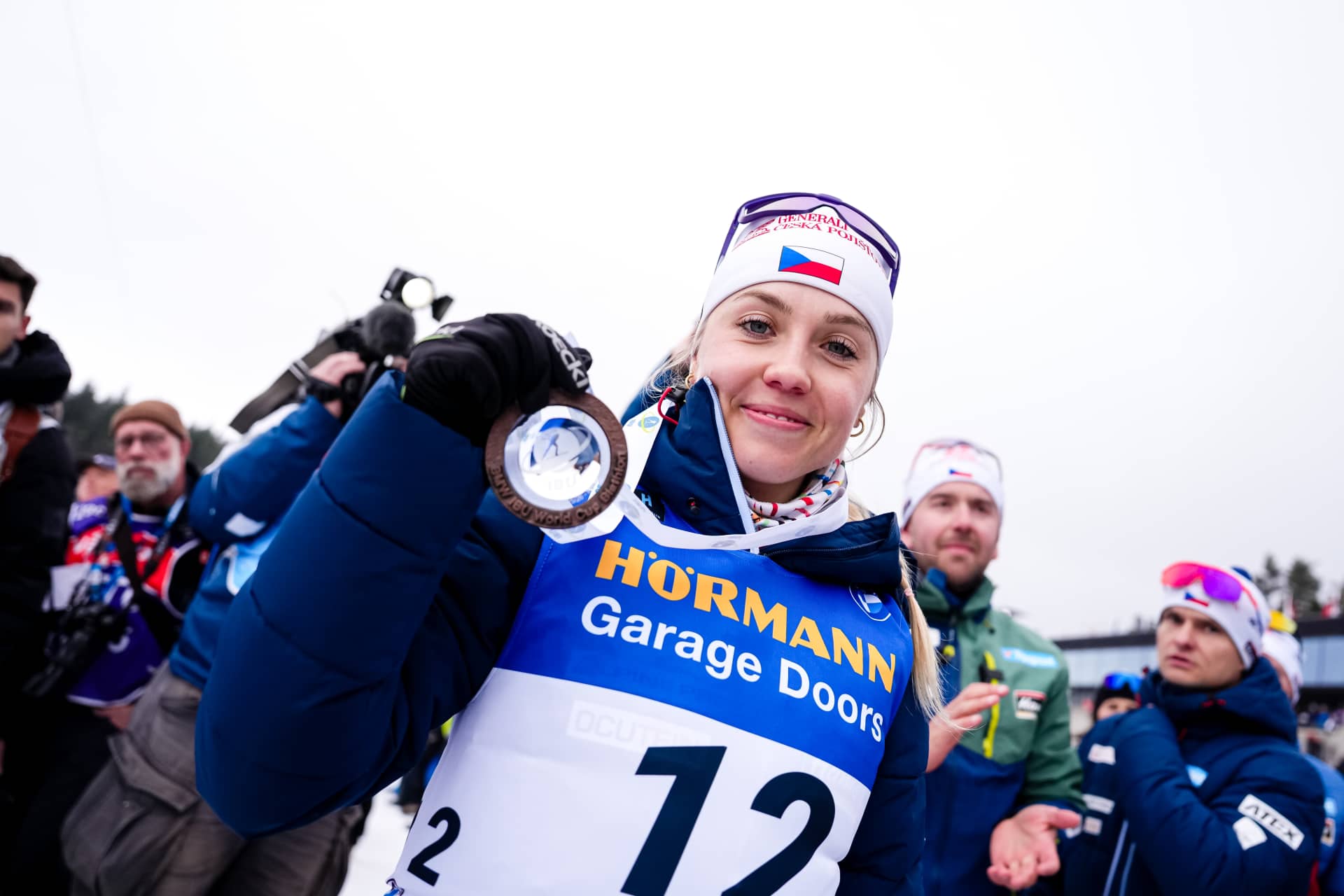
Когда Тереза Воборникова в последний раз говорила о своей карьере в 2022-м, она только заходила в мир взрослого биатлона – молодая спортсменка, набирающаяся опыта, которая учится и старается найти свое место среди лучших. Четыре года спустя она возвращается в качестве олимпийского призера.
«Если бы я могла сказать что-то своей молодой версии, я бы сказала: просто подожди, не сдавайся. Все будет», - говорит она с улыбкой.
Это терпение оправдало себя в сезоне 2025/2026. Воборникова завоевала бронзовую медаль в олимпийском масс-старте, за чем последовала череда уверенных выступлений в конце сезона Кубка мира, включая четыре результата в первой десятке и еще один подиум в Осло.
Неудача, которая изменила все
По иронии судьбы основой для такого прорывного сезона стал сложный период. Воборникова вспоминает, что в прошлом году чувствовала себя еще лучше, чем сейчас, пока в октябре не слегла с пневмонией, которая прервала ее подготовку в самый неудачный момент. Последствия болезни не отпускали ее месяцами, причем как физические, так и психологические.
«Каждый раз, стоило мне неважно себя почувствовать, я переживала, что [болезнь] вернется», - говорит биатлонистка, описывая события, которые повлияли на ее уверенность. Задним числом становится ясно, что именно болезнь стала поворотным моментом, который заставил ее сосредоточиться на тех областях подготовки, которые в противном случае осталась бы без внимания. «Это заставило меня поработать над вещами, на которых в других обстоятельствах я бы не сфокусировалась – таких, как тренировка дыхания. В итоге все, что ни делается, к лучшему».


Возвращая веру в себя
Одной из определяющих тем сезона Воборниковой стал не физический прогресс, а перемена в восприятии. Стрельба оставалась стабильной, а вот главная перемена произошла на лыжах – и у нее в голове. «Я всегда спокойно чувствовала себя на стрельбище, но на трассе мне не хватало уверенности», - признается Воборникова.
Внутренние сомнения часто не давали ей двигаться вперед, но в этом сезоне паззл наконец сложился, и ее выступления стали более естественными. Прорыв был не только на физическом, но и на эмоциональном уровне. «Я поняла, насколько велика сила разума – она может моментально привести к великолепному или, наоборот, очень плохому результату», - говорит она.
Учиться отпускать ожидания – вот что стало ключом к успеху, и эта перемена была особенно заметна в финальной части сезона, когда чувство свободы привело ее к одним из лучших результатов.
Привыкая к новой роли
В то же время у Воборниковой появилась новая позиция в чешской команде. Раньше она была самой молодой ее участницей, а теперь оказалась между поколениями – уже не новичок, но и не среди самых опытных спортсменок. «Думаю, я нашла свое место в команде», - говорит она, имея в виду в особенности свою роль в эстафетах.
Несмотря на триумфальный сезон, Воборникова не теряет чувства реальности и сосредоточена на том, что ждет впереди. Вместо того чтобы гоняться за медалями, она стремится к постоянству. «Я бы хотела, чтобы мои результаты были более стабильными, а не так, чтобы сегодня я попадала в первую десятку, а завтра уже была среди отстающих».
За пределами стадиона она занимается делами, не связанными со спортом, включая предстоящие выпускные экзамены в университете. И все же главная перемена, пожалуй, произошла внутри. «Я очень надеюсь, что открыла что-то новое в себе в этом сезоне, - говорит Воборникова. – Потому что теперь я доказала себе, что возможно всё».
Больше, чем просто биатлон
За пределами трассы обрести гармонию не всегда просто. Как многие другие спортсмены, Тереза отдыхает, занимаясь простыми рутинными делами, на которые не хватает времени в ходе сезона. «Пойти в кино или просто прогуляться по торговому центру – вещи, привычные для других людей и такие редкие для нас», - говорит она.
После сезона она также вернулась к горным лыжам, которых избегала годами из страха получить травму. Теперь Воборникова наслаждается возможностью снова заняться чем-то другим. И все же биатлон остается в центре ее жизни.
 Вне трассы


Фото: Nordnes & Wizor/IBU, Tereza Vobornikova


 Sign up for our newsletter
 Подписывайтесь на нас


