"At some point, enough is enough" - Kühn explains when he knew it was time to retire
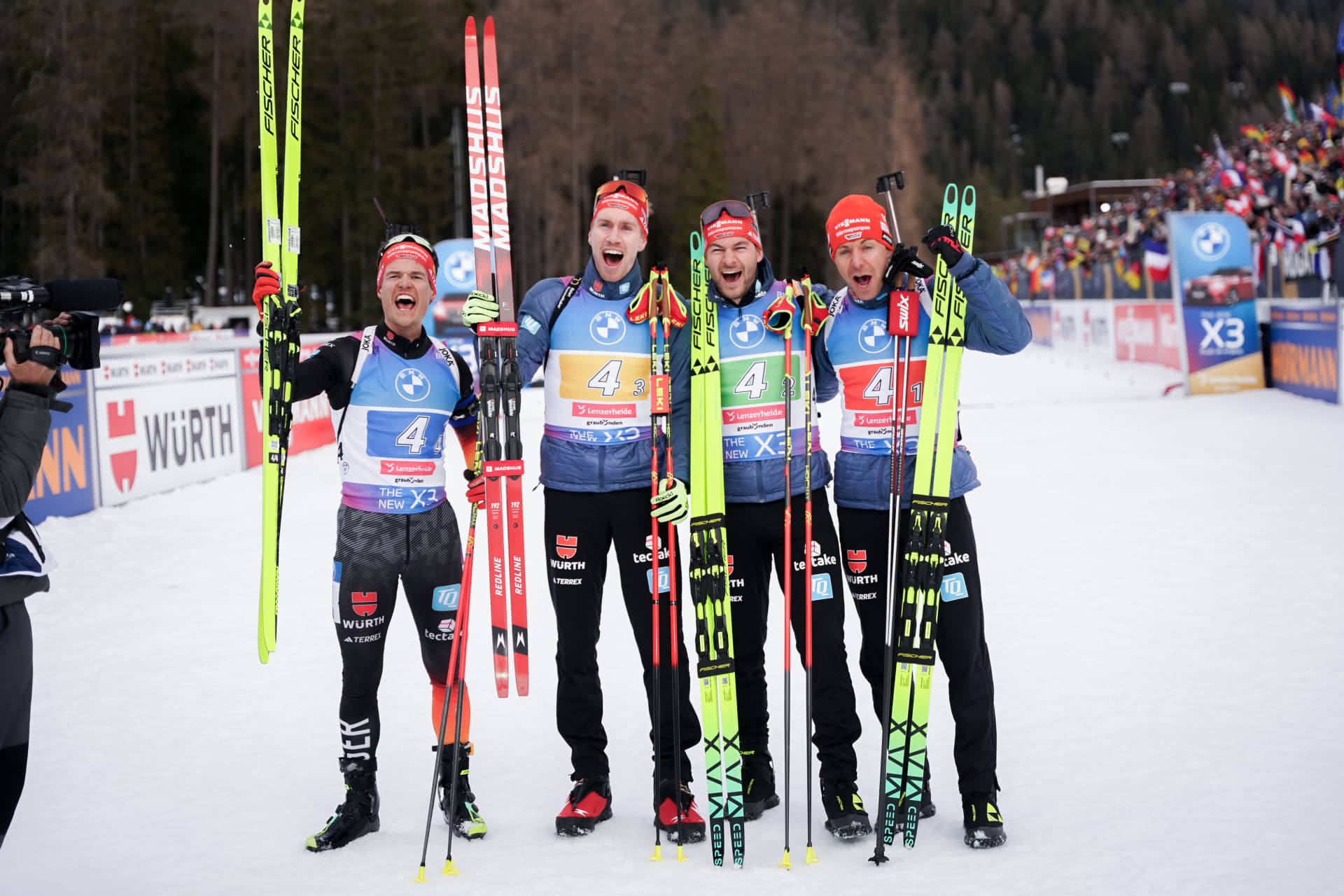
Johannes Kühn competed in his first World Cup race in 2012. More than 14 years later, he is ending his active career and looking back on many years that have shaped him. In an interview with Biathlonworld, he talks about his highlights, mental challenges, and his future.
Biathlonworld: Johannes, how have the first few weeks of your retirement from biathlon been for you?
Johannes Kühn: I’m enjoying this time, but it feels strange not to have a set daily routine. As an athlete, I always knew when I had to be where and what I had to do. I still have to get used to this newfound freedom. But of course, it’s nice to be at home with my family.
BW: When did you decide to end your biathlon career?
JK: I was one of the older athletes on the team, and it was clear that at some point I would have to ask myself how much longer I wanted to keep doing this. I also had to think about a career outside of sports, which would eventually have to begin. On top of that, over the past year or two, it became increasingly difficult for me to pack my bags and be away for the entire winter. Of course, my goal before the season was to compete in the Olympics, and I was disappointed that I didn’t make it, but that had already become apparent during the season. I’d been doing this for so long that I no longer had a goal to work toward. I then decided for myself that I was no longer willing to put in that much effort. At some point, enough is enough. You have to accept that.

BW: What do you find hardest about saying goodbye?
JK: I’ve given up the freedom of being my own boss. As a competitive athlete, you’re independent in your daily life. I don’t have that anymore. I’ve always considered it a privilege that sports are my profession. Very few people can say that about themselves. Now I’m facing the transition to a normal daily routine. I’ll miss traveling with the team and competing, because I really enjoyed it.
BW: Looking back on your career, what are you most proud of today?
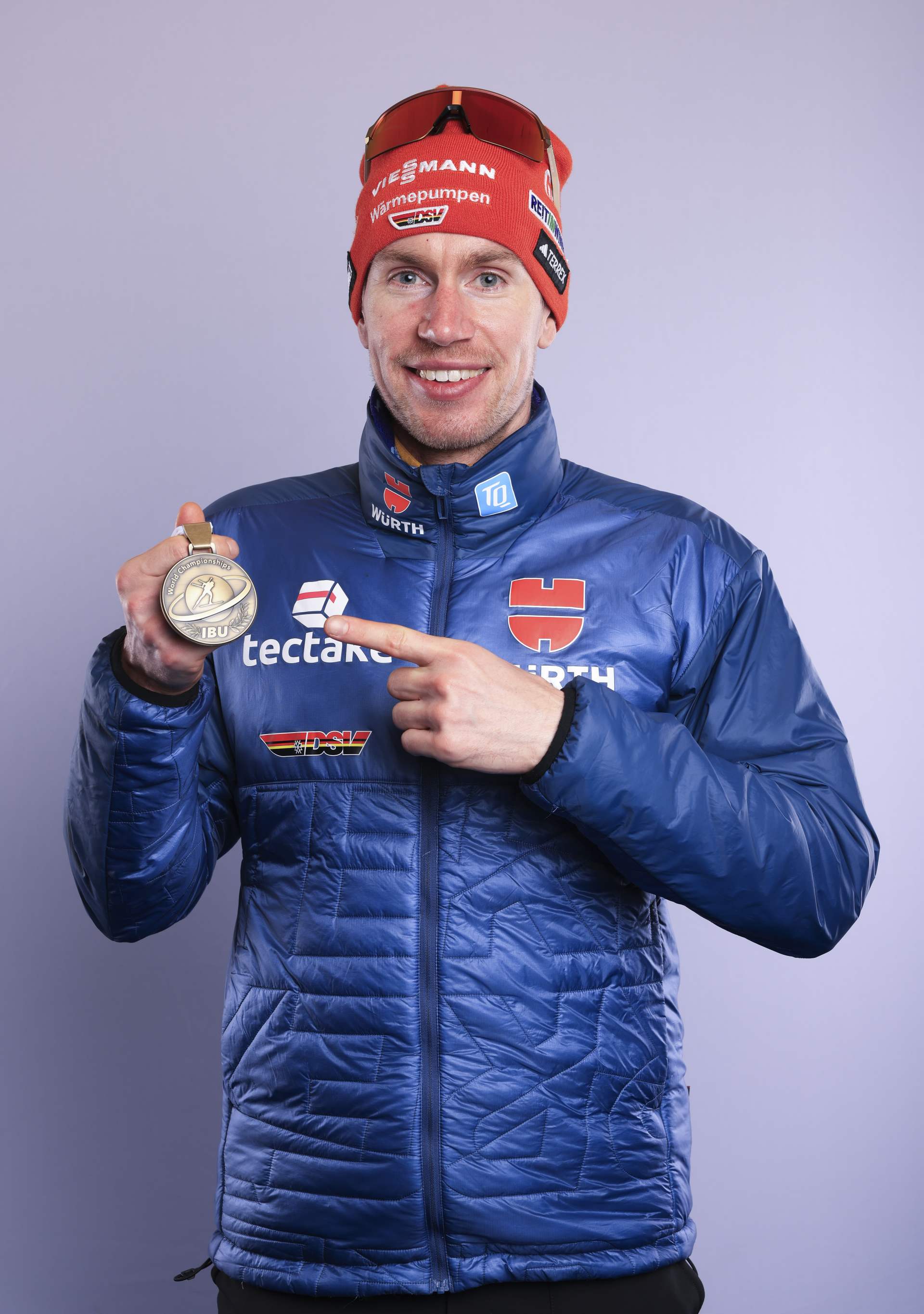
JK: I’m proud of the path I’ve taken in biathlon. I’m from Passau, which isn’t exactly a winter sports region. My career hasn’t always been straightforward, and it hasn’t always been easy. That makes me all prouder of my achievements. I have one World Cup victory, have stood on the podium in individual and relay races, and finally fulfilled my dream of winning a World Championship medal in 2025. That relay medal was very emotional for me; I’ll especially remember the finish.
BW: Which phase of your career has been the most mentally demanding?
JK: My two shoulder injuries were a physical and mental challenge. It was especially hard to cope with the second time, in November 2016, because it meant I had to sit out the entire season. I didn’t know if my shoulder would ever fully heal, and on top of that, I had to stop competing in biathlon from one day to the next. A difficult decision by my coaches was that I wasn’t allowed to run the relay at the 2022 Winter Olympics in Beijing. Looking back, I can understand that, but at the time, my world fell apart. Last season was also difficult, because of course you don’t want to compete in the IBU Cup during an Olympic season. Every day was a struggle and a nail-biter, wondering if I’d make the cut, so in the end I was relieved when the roster for Antholz was announced. The constant tension was nerve-wracking.
BW: It's been 14 years since your first World Cup race. How has biathlon changed since then?
JK: In my view, the overall level of competition has risen significantly. There have always been standout athletes who consistently made it to the podium, but in the past, it was possible to finish 20th even with three shooting mistakes. That’s no longer possible today. Many nations have top athletes, and Germany no longer has the equipment and technical advantage it perhaps had ten years ago. What hasn’t changed: the good atmosphere among the athletes and the mood in the stadium.
BW: What kind of future do you envision for German biathlon?
JK: I hope that German athletes will be able to translate their strong training performances into competition results more often. Public criticism in Germany is very vocal because fans watching on TV don’t always get to see the athletes’ full potential. Viewers often don’t realize how much the athletes invest in their own performance. Everyone tries to give their best, but that applies to other nations just as much. I can confirm that German athletes’ determination and commitment are very high. It’s normal for good and bad phases to alternate. But the conditions must also be right, especially if you want to get young people excited about sports. That includes renovating sports facilities and ensuring clubs receive the necessary support.

BW: What are your plans for the future?
JK: Right now, my priority is spending time at home with my family. Career-wise, I hope to start a dual degree program to become a senior civil servant with the customs service. But I’m not quite sure yet which area I’d like to work in later on. It’s important to me that I can stay in Chiemgau.
BW: When biathlon fans look back on Johannes Kühn ten years from now, what should they remember about him?
JK: My World Cup victory in Hochfilzen, the emotional finish in the relay race at the 2025 World Championships, and many exciting biathlon races with great entertainment.
Photos: IBU archive


 Inscrivez-vous à notre newsletter
 Suivez-nous sur :


