Road to the Olympics: Introducing the Antholz Power Rankings for Milano Cortina 2026
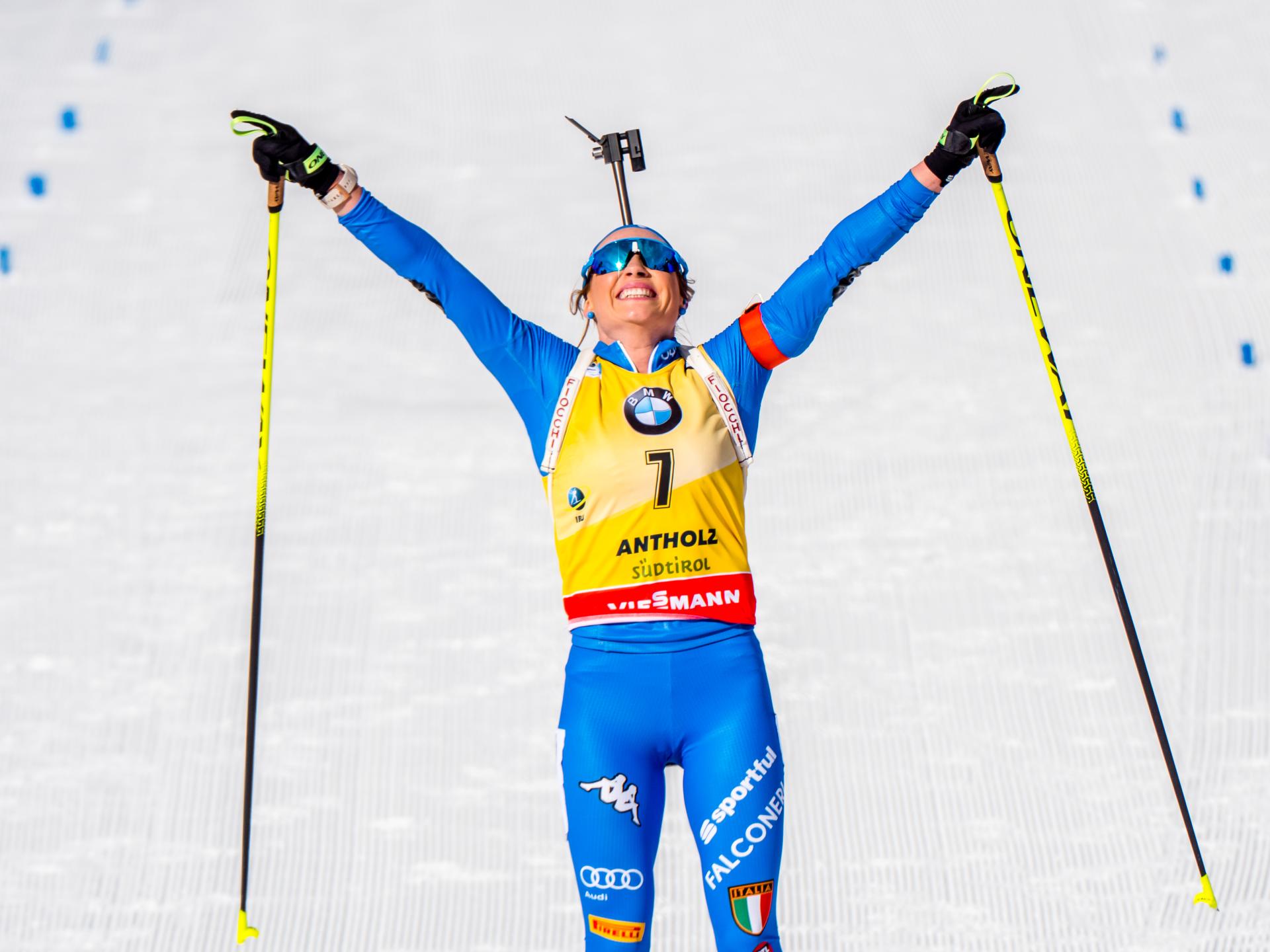
The Olympic Winter Games are getting closer, and with every weekend of racing, the picture for Milano Cortina 2026 becomes a little clearer — and a little more exciting. Athletes rise, fade, rebound, and reinvent themselves in real time. But who is truly building toward peak Olympic form? Who is trending upward when it matters most? And who might surprise us in Antholz next February?
To answer these questions, we’re launching a special on Biathlonworld.com: the Antholz Power Rankings, a data-driven look at which athletes are shaping up to be the strongest contenders for the Olympic Games.
These rankings aren’t the same as the World Cup standings, and they aren’t predictions carved in stone. Instead, they offer a fresh perspective built on three pillars that matter most on the road to the Games: recent performance, altitude prowess, and big-event experience.
Here’s how it works:
1. Recent Results: 60% of the score
One week you’re in form, next week week you’re in the penalty loop. Results can change quickly, especially in an Olympic season. That’s why recent results form the core of the Power Rankings. We look at an athlete’s ten most recent individual races, and we apply a recency weighting so that the newest results matter more than those from earlier weeks. A big performance last weekend will have more impact than one from months ago — just as it should when assessing current form.
2. Performance at Altitude: 20% of the score
Antholz–Anterselva sits at 1,600 metres, and altitude has a very real effect on pacing, shooting stability, and recovery. Some athletes naturally excel in thinner air; others need more time to adapt.
To capture this, we include ten altitude races (1,300 meters and above). These results tell us who is historically strong in conditions similar to the Olympic venue.
3. Big-Event Results: 20% of the score
Championship weeks are different. The pressure is higher, the atmosphere is louder, and the stakes are enormous. Some athletes step up in these moments, delivering their best when the world is watching. We include up to ten races from World Championships and Olympic Games, again with equal weight, to account for athletes’ proven ability to handle big stages.
All race performances are translated to a 0–100 score using official IBU points, ensuring consistency and clarity across all three categories.
Once each athlete’s category scores are calculated, we combine them into a single Power Score out of 100. This number updates throughout the season as more races are completed — which means the rankings will shift, evolve, and sometimes surprise us.
The Antholz Power Rankings are not predictions, but they are a new lens through which to follow the journey to Milano Cortina. They highlight rising form, reveal hidden contenders on the road to Antholz; race by race, week by week, score by score.
Come back next week on Monday to discover the standings after the first 3 individual competitions in Oestersund!


 Inscrivez-vous à notre newsletter
 Suivez-nous sur :


