Olympic History
1924: Beginning as a Military Ski Patrol
The story of Olympic biathlon begins in 1924, at the first Winter Games in Chamonix, where the military ski patrol event combined endurance skiing with rifle shooting – a clear ancestor of today's sport. Though later dropped or staged only as a demonstration, the idea of blending stamina and marksmanship never disappeared.
1960: Biathlon Debut
In 1960, biathlon made its full Olympic debut in Squaw Valley with a men's 20 km race, marking the start of its modern era. Sweden's Klas Lestander became the sport's first Olympic champion. From there, the discipline steadily grew:
- 1968 - men's relay was added
- 1980 - sprint was added
Biathlon began to carve out a permanent place in the Winter Games.

1992: Women Competitions
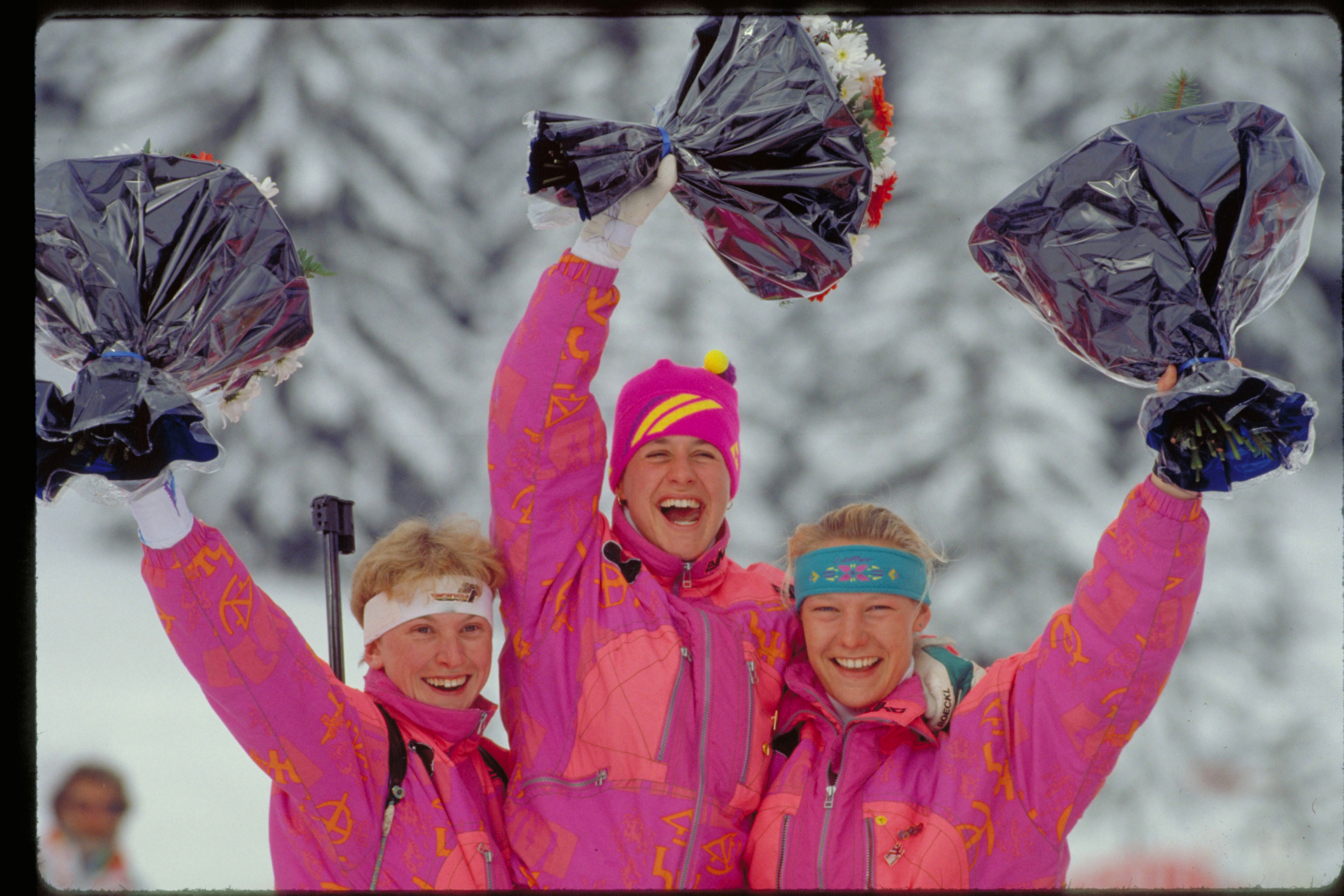
A true turning point came in 1992 in Albertville, when women lined up for the first time. Germany's Antje Harvey made history by winning the inaugural women's Olympic gold, symbolizing how far the sport had come from its military roots.
21st Century: Expanding with New Formats
In the 21st century, the program expanded again, adding formats that intensified the drama:
- 2002 - pursuit
- 2006 - mass start
- 2014 - mixed relay, now one of the most thrilling events on the schedule
Germany has set the benchmark for success in Olympic biathlon, with four gold medals before reunification and 20 more since. From its beginnings as a test of soldiers in the mountains to one of the most popular and suspense-filled events at the Games, biathlon's Olympic journey is a story of evolution, resilience, and unforgettable moments.
Follow the full journey of biathlon at the Winter Games—from its roots to its modern form.

THE OLYMPIC LEGENDS OF BIATHLON: FROM FIRST SHOTS TO LASTING GLORY
Since its Olympic debut in 1960, biathlon has offered some of the most dramatic stories of the Winter Games. A sport born from military patrol, it has grown from a single men's race into eleven Olympic disciplines, where endurance meets precision — and a single miss can decide everything. Along the way, it has produced unforgettable champions whose names remain etched in Olympic history.
The journey began with Sweden's Klas Lestander, who claimed the first gold thanks to flawless shooting at Squaw Valley. Three decades later, women made their Olympic debut in Albertville 1992, where Germany's Antje Harvey not only won gold but also carried a powerful story of courage against East Germany's doping system. In the same Games, Myriam Bédard secured Canada's first medal — and would later strike double gold in Lillehammer 1994, breaking Europe's dominance.
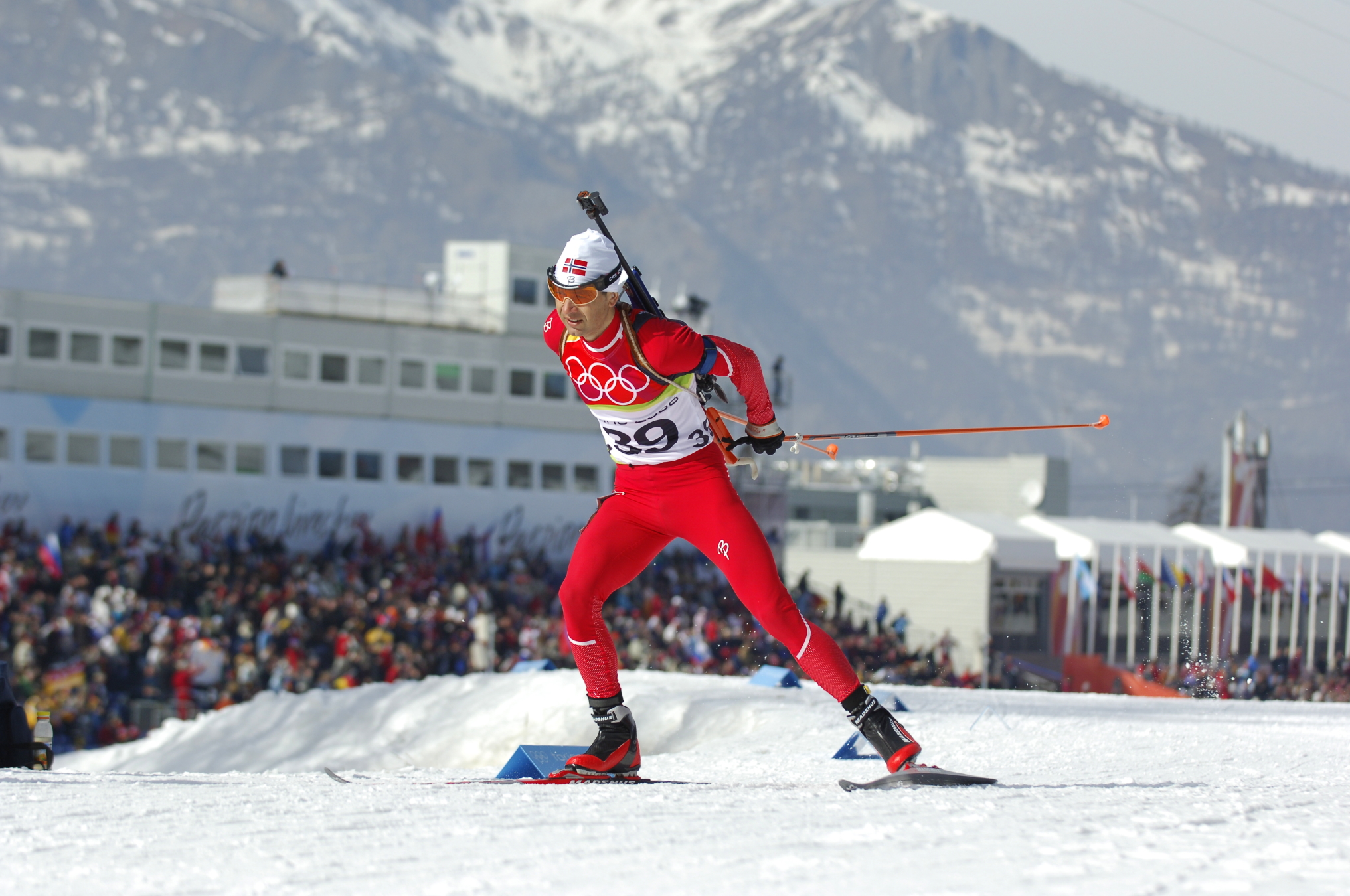
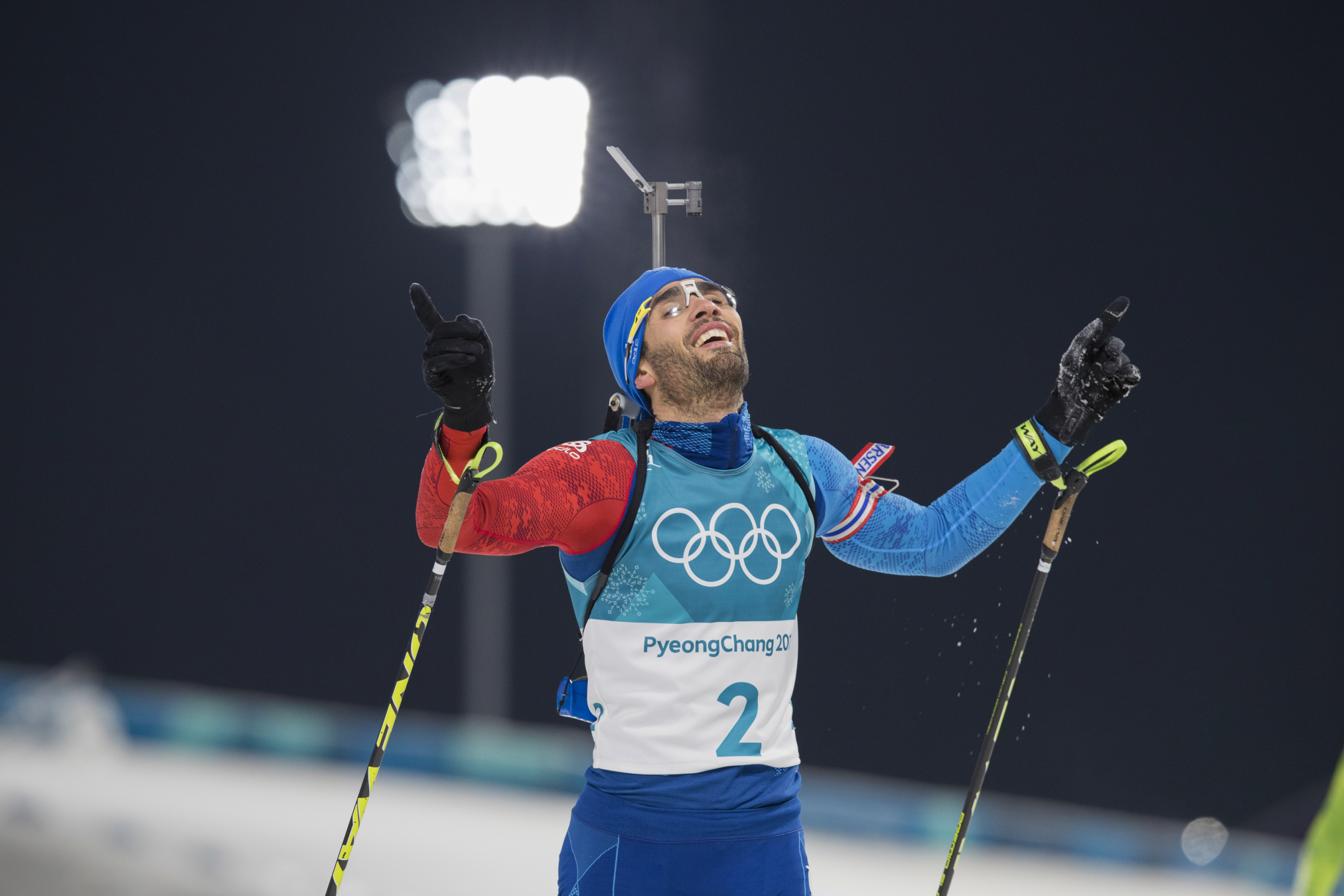
No list of Olympic legends is complete without Ole Einar Bjoerndalen, whose 14 medals and unmatched sweep of Salt Lake City 2002 set the standard for greatness. Martin Fourcade continued that legacy for France with five Olympic titles, his dramatic lunge to victory in 2018 becoming an iconic image of the Games. Most recently, Norway's Johannes Thingnes Boe and Marte Olsbu Roeiseland rewrote records in Beijing 2022, with Boe emerging as the most decorated athlete of the entire Olympics.
From perfect shooting in 1960 to record-breaking dominance in 2022, Olympic biathlon has been defined by moments of precision, resilience, and history in the making.
BIATHLETES LEADING THE WAY: OLYMPIC FLAG BEARERS
Since biathlon became an Olympic sport in 1960, at least one biathlete has carried their nation's flag at every Winter Games. In total, 61 athletes have done so in 69 instances, highlighting how biathletes often embody both national pride and Olympic spirit.
Some countries have made this almost a tradition. Bulgaria chose biathletes for four consecutive Games from 1984 to 1994, later selecting Ekaterina Dafovska—its first Winter Olympic gold medallist—in 2006, and Maria Zdravkova in Beijing 2022. Moldova also relied on biathletes from 1994 to 2010, while Romania turned to them six times, including Éva Tófalvi, who appeared in six Winter Games and remains the nation's only Biathlon World Cup winner.
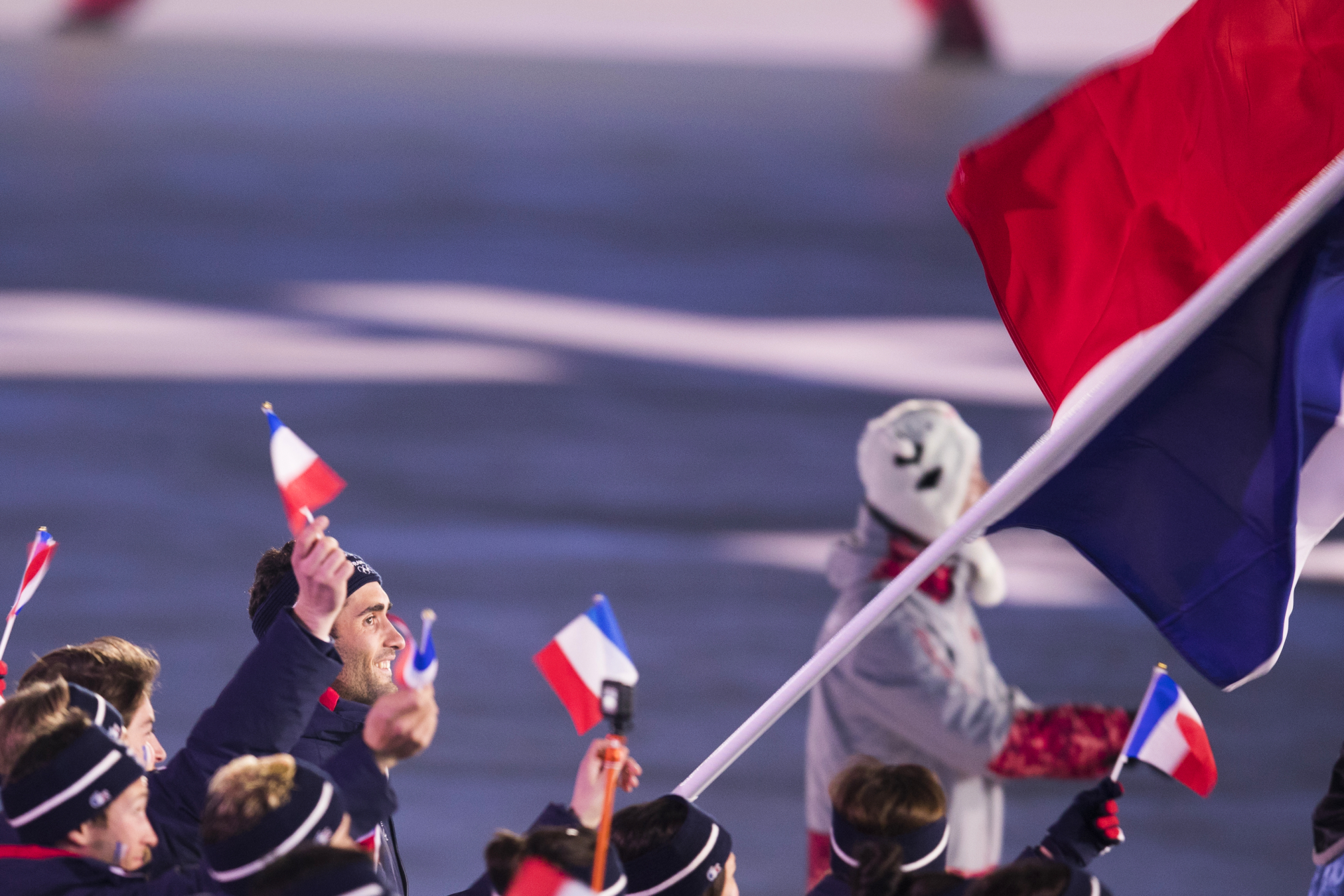
For many, carrying the flag coincided with the peak of their careers. Frank Ullrich led East Germany in 1984 after already winning Olympic gold, and Martin Fourcade led France in 2018 before adding three more golds in Pyeongchang. On the women's side, Magdalena Forsberg of Sweden carried the flag in 2002, recognizing both her competitive success and her pioneering role in women's biathlon.
Not every flag bearer was a medal contender. Some represented their countries as sole athletes, like Judd Bankert for Guam in 1988, or defied age and tradition, like Greece's Thanasis Tsakiris, who carried the flag in three Games over 22 years, sharing the Olympic stage with his daughter in 2014.
From iconic champions to determined outsiders, biathlete flag bearers have left some of the most memorable marks on Olympic Opening Ceremonies.
Discover the full stories behind the biathlete flag bearers at the olympics.