Reset, Recharge, Repeat: The Road Starts Again

Four years of preparation, one ultimate goal - and then it is over. After the excitement of Milano Cortina 2026, how do the world's top para biathletes recharge, rediscover their motivation and prepare for a new chapter? This year’s Paralympic medallists share very different perspectives on life after the Games.
The Paralympic Winter Games are the ultimate destination for athletes who dedicate years of training, competition and countless sacrifices to one defining moment. But when the medals have been awarded and the spotlight fades, a different challenge begins: how do you return to your daily routine after reaching the pinnacle of your sport, and what makes you want to do it all over again?
For Canada's Mark Arendz, Germany's Anja Wicker and Czechia's Carina Edlingerová, all medallists at Milano Cortina 2026, the months following the Games have taken very different turns. From renewed curiosity and an enduring love of competition to a demanding road to recovery, each has found their own way forward.
Different paths to recovery
For Arendz, the transition from the Paralympic stage to everyday life was anything but immediate. Just a week after the Games, he was back on the start line, competing against the open field at the Canadian Biathlon Nationals in Canmore. After some strong performances, including one of his best sprint results, he finally took a couple of weeks off to visit his parents in Eastern Canada.
"Spending some chill time with family was a great way to reflect on the Games, the four years that led to them, my career, and what might come next," Arendz explains.
Wicker also continued training for several weeks after Milano Cortina, but later chose a different recovery approach.
"I kept training for a couple weeks after but then took a longer break in the summer. Something I have never done before so we will see how that plays out," she says.
For Edlingerová, however, recovery was less a matter of choice. Her Paralympic triumph came despite significant health problems, including injuries to her foot and thumb and ongoing neck issues. In June, she underwent surgery on both knees, making the road back to training particularly demanding.
"It took me quite a while to get back on my feet," she admits, adding that her neck problems remain a challenge.

What keeps the motivation alive?
After four years focused on a single goal, returning to the familiar rhythm of training might seem daunting. Yet the three athletes show that the desire to continue can come from very different places. For Arendz, it was a combination of reflection and curiosity about his untapped potential.
"Not everything went as I envisioned, so I reflected on where I needed to address gaps in my training and performance. Curiosity about what else is possible," he explains. Rather than simply repeating the approach that brought him to Milano Cortina, the Canadian sees the new season as a chance to rethink his approach to training and performance.
"Can I achieve more by evolving my perspective, training, mindset, or approach to performance?" he wonders. "There is certainly more freedom to explore curiosities in this year following the Games," he adds.
For Wicker, meanwhile, finding motivation was hardly a challenge at all.
"Surprisingly, or maybe not if you know me, that was no issue at all. It is just so much fun even after all these years and Paralympic cycles," she says. The German approaches the new season with a more relaxed mindset, but her competitive ambitions remain unchanged. "I would say I am feeling more relaxed. But I do have goals for the season and am very excited to get back to racing."

For Edlingerová, the journey back was far more complicated. Her path to Paralympic biathlon gold was already full of obstacles, including switching national teams and shifting her focus from cross-country skiing to biathlon. Despite her triumph in Milano Cortina, ongoing health problems made it particularly challenging to return to peak performance.
"My motivation after the Games was on one side, with my health quite low because I knew it would be a long way back," she admits.
Still, a fresh start with the Czech team offered new opportunities, while Edlingerová was also determined to regain some personal freedom after years of training routines.
"I made a promise to myself to travel and feel as free as possible after many years in a strict sports system. My personal ambition is to visit every country in Europe before turning 30. I have also returned to the university," she explains.
One season at a time - or all the way to 2030?
With another Paralympic cycle now underway, the French Alps 2030 are already on the horizon. But not everyone is ready to commit to another four-year journey. Arendz prefers to keep his options open.
"There is no official four-year plan, but I have a few thoughts, concepts and lots of curiosities. For now, I’m focused on one season at a time. The biggest influence will be whether my body and mind want to keep going at the highest level."
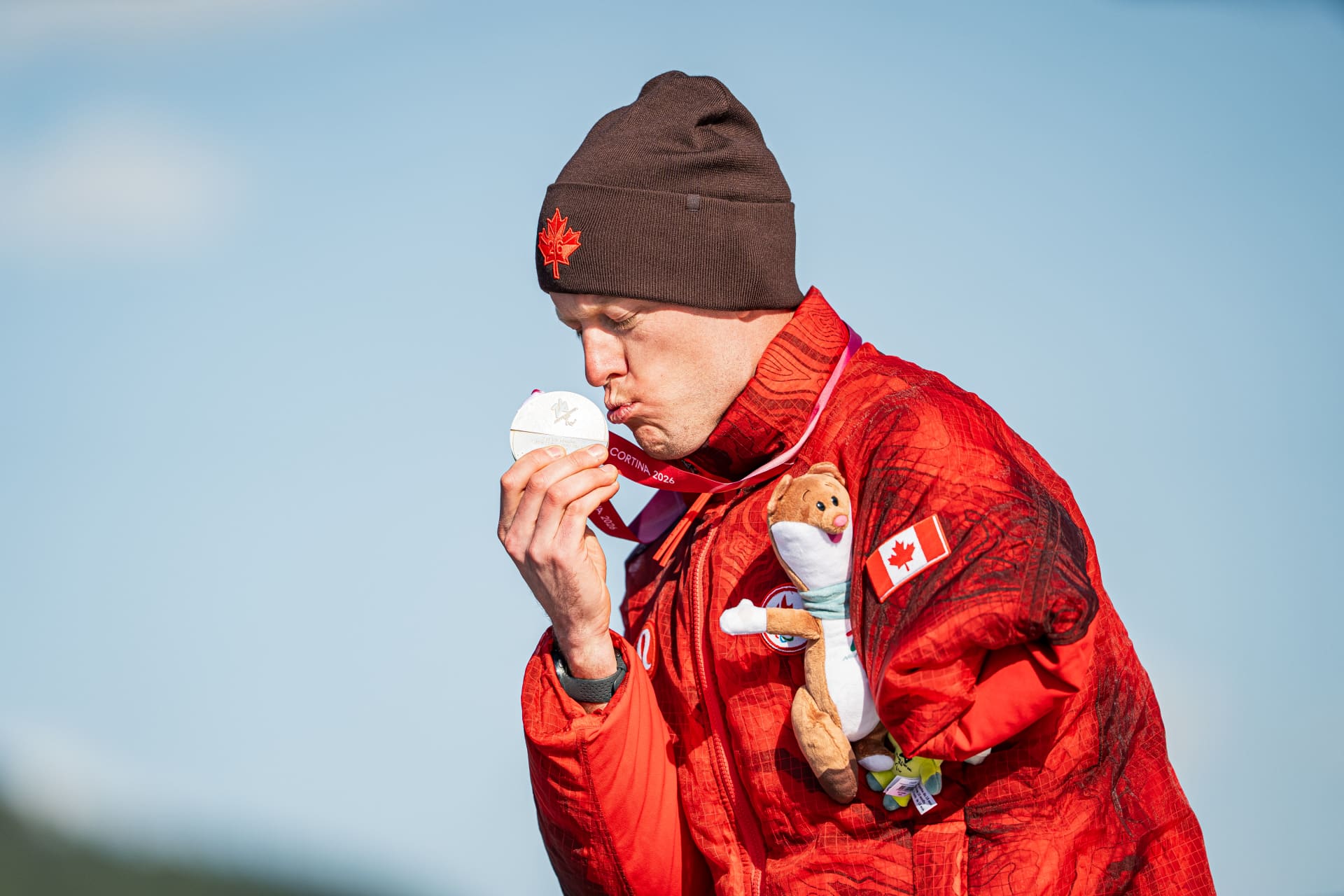
Wicker, by contrast, already has a long-term destination in mind.
"I do have my eyes set on 2030. I enjoy having a four-year plan and working towards it, again. That being said, you never know how long your body and health will go along with that plan."
Edlingerová also has her sights set on the next Paralympics, although her plans will largely depend on her health.
"Of course, I would love to go to the French Alps. They would already be my fourth Games, and I'd love to finally be able to compete in cross-country skiing and biathlon again," she says. By then, she also hopes to have completed the first part of her medical studies.
The 2026/27 Para Biathlon World Cup season begins in Vuokatti, Finland, in December, with the World Championships in Pokljuka among the winter's major highlights. After four years devoted to Milano Cortina, the next chapter is beginning. And whether driven by curiosity, pure enjoyment or the determination to overcome new obstacles, the journey forward is already underway.
Photos: Barbieri | IBU


 Inscrivez-vous à notre newsletter
 Suivez-nous sur :


